
Video library
Understand it on video
What we read in a few drops of blood and what your virtual twin does with it. Each video leads to the program that measures what it shows.
The virtual twin
What a virtual twin is, from aircraft engines and cities to your body.
-

Your virtual twin, explained
In four minutes: the twins of planes and cities, what your blood records, and how TwinMe builds yours.
Build yours with Elite Health Optimization -

What could your virtual twin do for you?
In four minutes: test before you try, notice change early, choose and adjust a treatment, and simulate your future.
Build yours with Elite Health Optimization -

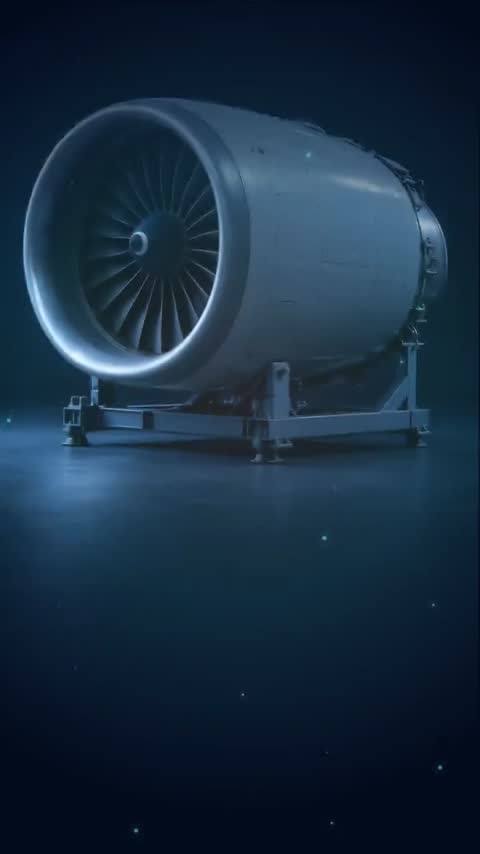
This plane has a twin
Some jet engines have a virtual copy that ages exactly like them, flight after flight.
Build yours with Elite Health Optimization -

The Titanic now has a double
In 2022, two robots spent more than 200 hours around the wreck: 700,000 images and a complete virtual copy of the Titanic.
Build yours with Elite Health Optimization -

This cathedral had a double
A few years before the fire, Notre-Dame had been laser-scanned: more than a billion points.
Build yours with Elite Health Optimization -

Apollo 13, the first twin?
In 1970, NASA engineers tested their solutions on copies of the Apollo 13 capsule before sending them to the crew.
Build yours with Elite Health Optimization -
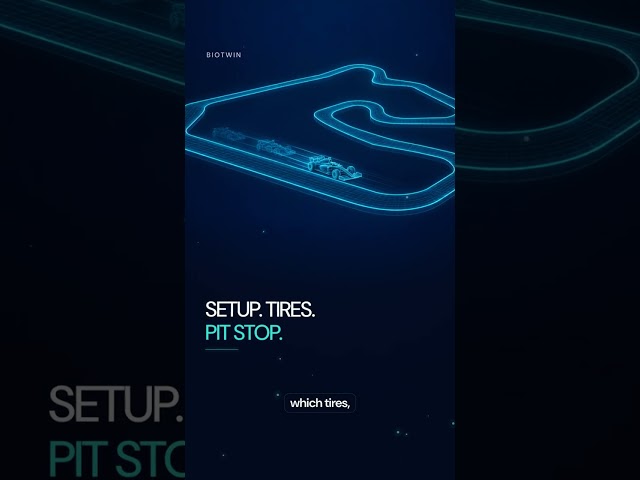
The race before the race
Formula 1 teams run a virtual copy of their car thousands of times before the race, then let its twin adjust the strategy live.
Build yours with Elite Health Optimization -
What does your virtual twin look like?
A few drops of blood on a card, at home.
Build yours with Elite Health Optimization -
The Earth has a twin
Destination Earth is Europe’s copy of the planet, built to rehearse extreme weather before it happens.
Build yours with Elite Health Optimization -
This city has a double
Singapore has a virtual copy of the whole city to test wind, sun and crowds before building.
Build yours with Elite Health Optimization -
A heart, times two
Researchers have already built virtual hearts that beat and react like real ones.
Build yours with Elite Health Optimization -
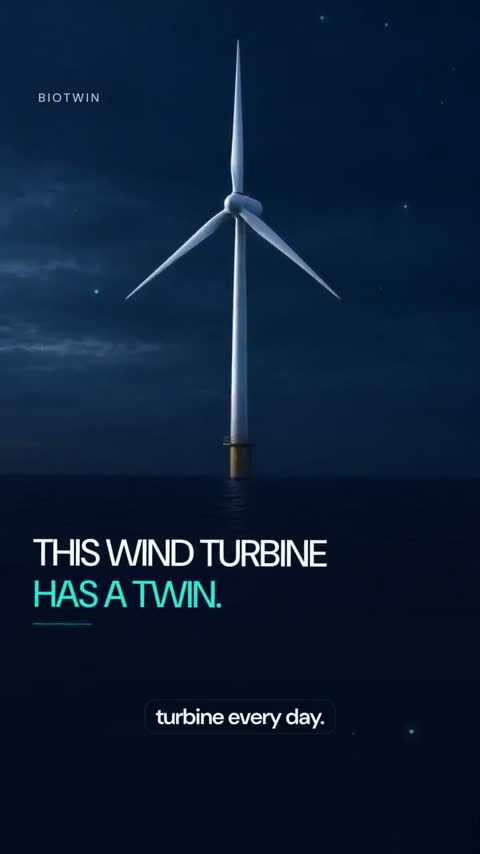
This wind turbine has a twin
An offshore wind turbine sends its data to a virtual copy that knows what is normal for it, so the crew heads out at the right time.
Build yours with Elite Health Optimization -
This factory ran before it existed
Carmakers now simulate every robot and conveyor of a factory before pouring the concrete.
Build yours with Elite Health Optimization -
Copy, not clone
A virtual twin is not a clone: it’s a copy made of data, which receives real measurements and shows what’s changing.
Build yours with Elite Health Optimization -
What about your twin?
Imagine a virtual copy of your biology that learns from how you eat, sleep and move, and updates with every new measurement.
Build yours with Elite Health Optimization -
Try it on your twin first
Before changing anything, try it on your virtual twin first, and explore how your own biology could respond.
Build yours with Elite Health Optimization -
Imagine seeing change early
A virtual twin that follows your biology almost in real time could show a subtle change early.
Build yours with Elite Health Optimization -
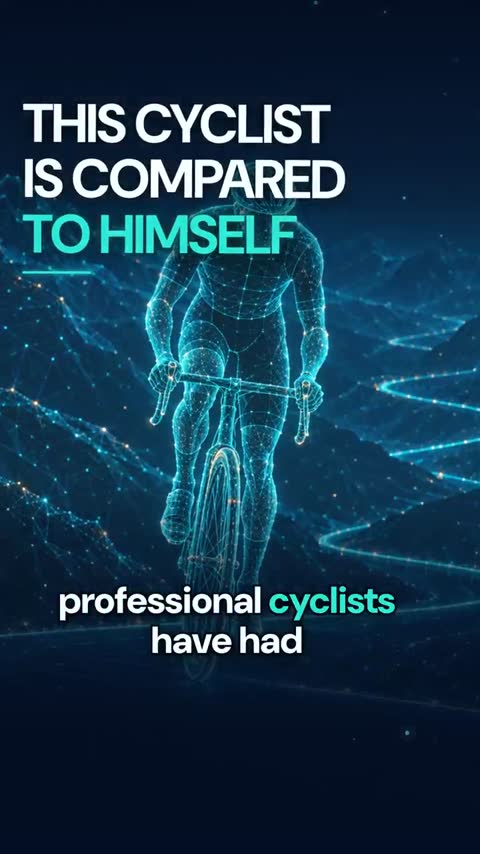
This cyclist is compared to himself
Since 2008, professional cyclists’ blood has been followed all year, against their own values.
Build yours with Elite Health Optimization -
Virtual twins in 90 seconds
From Apollo 13 to Formula 1, from Singapore to the Earth itself: virtual twins are everywhere.
Build yours with Elite Health Optimization -

Things already have twins
Aircraft, race cars and cities already have virtual copies to try things, understand them and adjust.
Build yours with Elite Health Optimization -
Three everyday questions for your virtual twin
Your steak, your coffee and your stress response: three everyday questions your virtual twin helps you understand.
Build yours with Elite Health Optimization -
Your virtual twin, from photo to film
One sample is a photo; the next ones form a film that your virtual twin helps you understand.
Build yours with Elite Health Optimization
Bio-Signatures
A Bio-Signature groups biomarkers that tell the same story.
-

The forest: from one biomarker to your virtual twin
A biomarker is a tree, a Bio-Signature a grove, and your virtual twin the map of the country.
Measured by Elite Health Optimization -
The film: from one biomarker to your virtual twin
A biomarker is an actor, a Bio-Signature a scene, and your virtual twin the whole saga.
Measured by Elite Health Optimization -
Two realities: from one biomarker to your virtual twin
From a biomarker to your virtual twin: Bio-Signatures, pillars and programs connect the measurements.
Measured by Elite Health Optimization -

What is metabolomics?
What you eat, drink and how you sleep leave traces in your blood.
Measured by Elite Health Optimization -
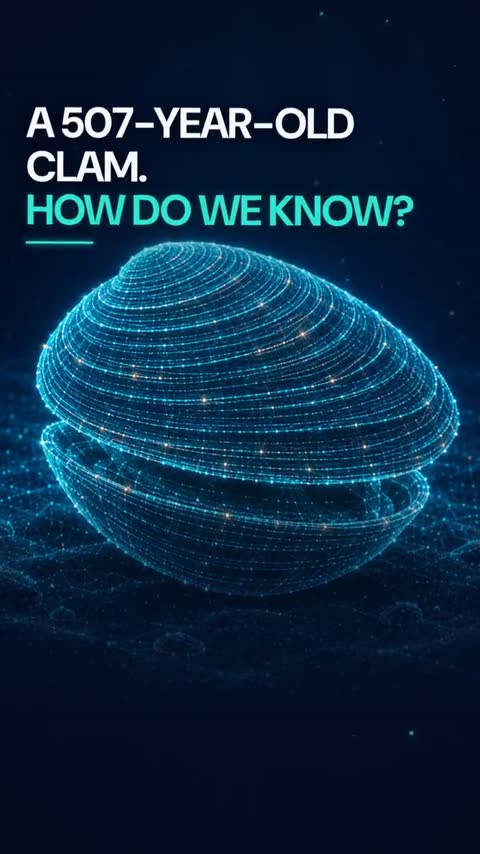
The clam born before Jacques Cartier
Its shell adds one ring a year: someone counted 507, so it was born before Jacques Cartier’s first voyage. With the Greenland shark and the bowhead whale, it inspires TwinMe’s Arctica Bio-Signature.
Measured by Longevity & Healthspan -
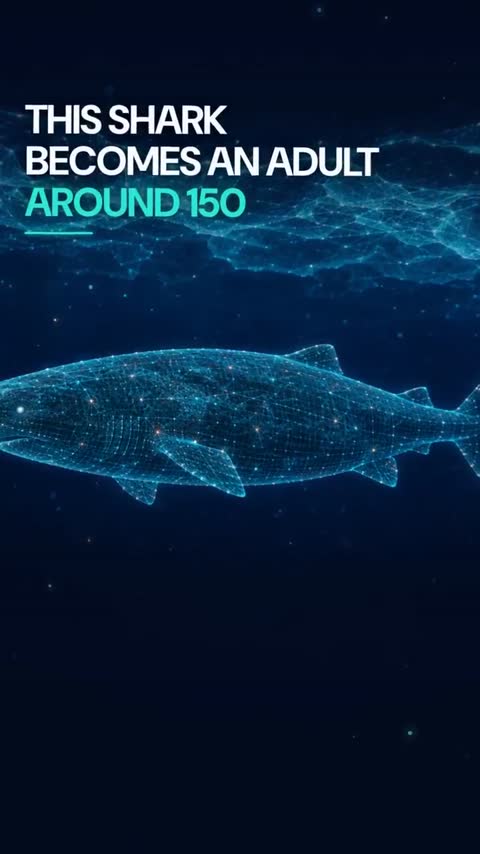
The shark that grows up at 150
The Greenland shark has been swimming under the ice for centuries and only becomes an adult around 150. With the bowhead whale and the Icelandic clam, it inspires TwinMe’s Arctica Bio-Signature.
Measured by Longevity & Healthspan -
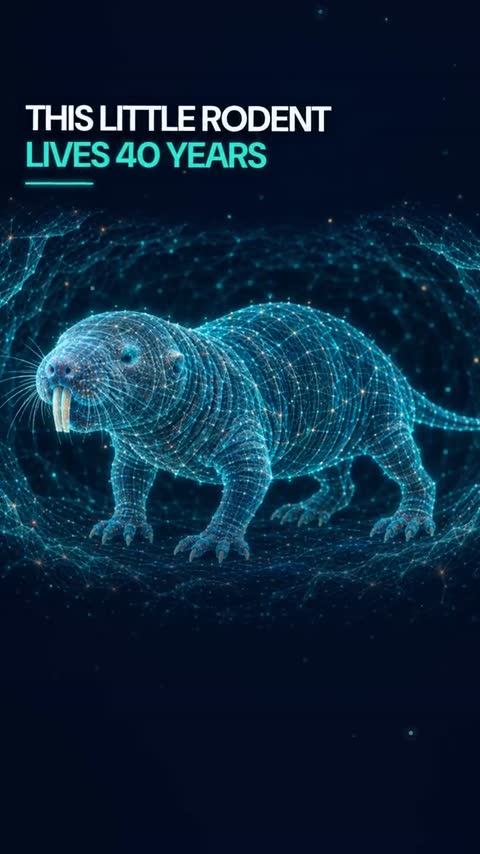
The naked mole-rat, a night champion
The naked mole-rat lives 40 years, and getting older doesn’t raise its risk of dying. With the 7-gram bat, it inspires TwinMe’s Night Champions Bio-Signature.
Measured by Longevity & Healthspan -
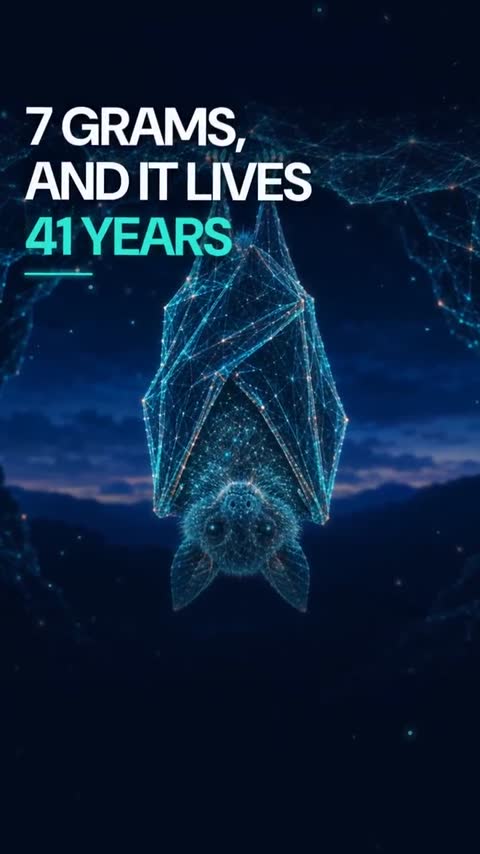
The 7-gram bat
A 7-gram bat can live 41 years, ten times as long as a mouse. With the naked mole-rat, it inspires TwinMe’s Night Champions Bio-Signature.
Measured by Longevity & Healthspan -
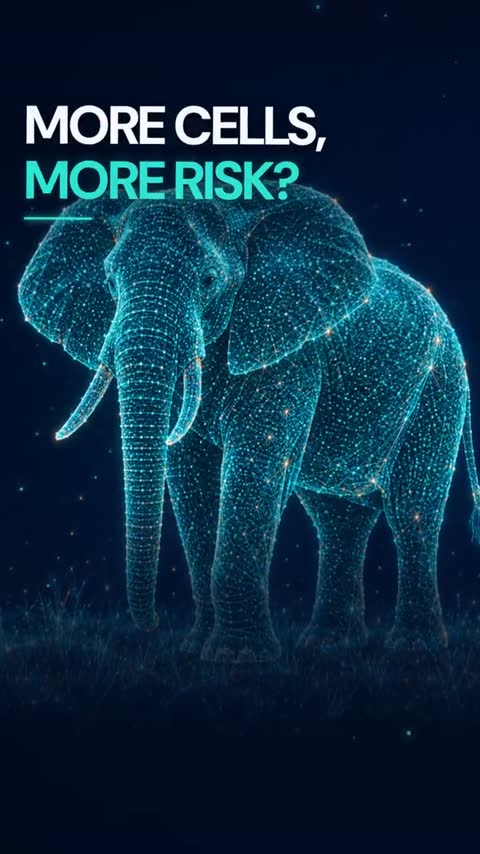
How elephants protect their cells
An elephant has dozens of times more cells than we do. Its strategy, protecting its cells, inspires TwinMe’s Big Giants Bio-Signature.
Measured by Longevity & Healthspan -
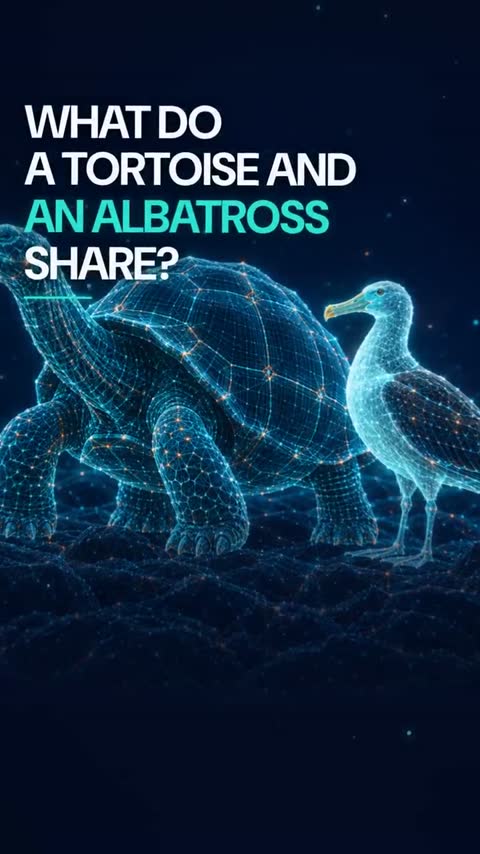
A tortoise and an albatross
The Galápagos giant tortoise holds a 177-year record, and the albatross is a longevity champion too. Together, they inspire TwinMe’s Legendary Galápagos Bio-Signature.
Measured by Longevity & Healthspan -
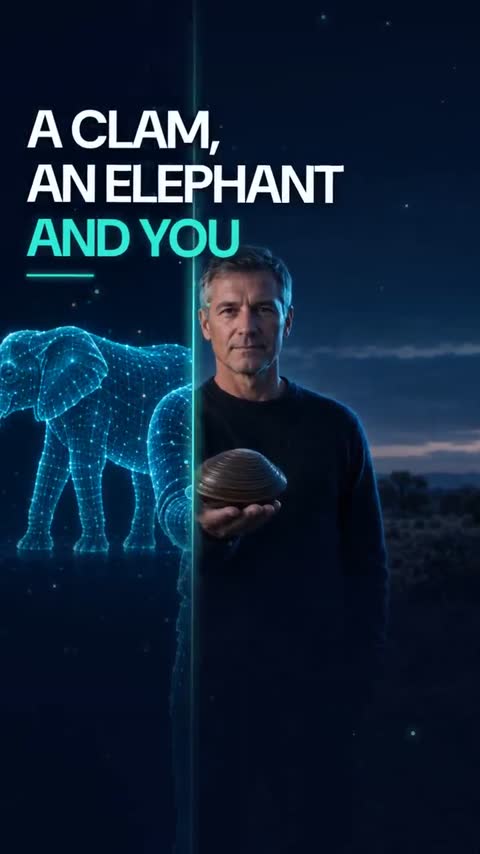
The common thread between a clam and you
Across 145 champion species and 753 studies, 29 biomarkers move the same way in these animals and in humans who live a long time. TwinMe reads them in The Common Thread Bio-Signature.
Measured by Longevity & Healthspan -
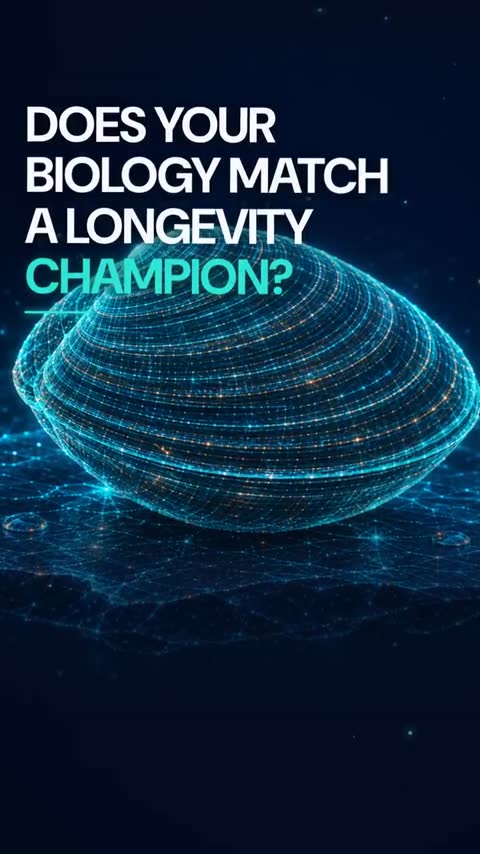
Your match score with the champions
Your virtual twin compares your biology with the animal kingdom’s longevity champions and gives you a score out of 100, from your very first kit. Included in TwinMe’s Longevity program since November 1.
Measured by Longevity & Healthspan -
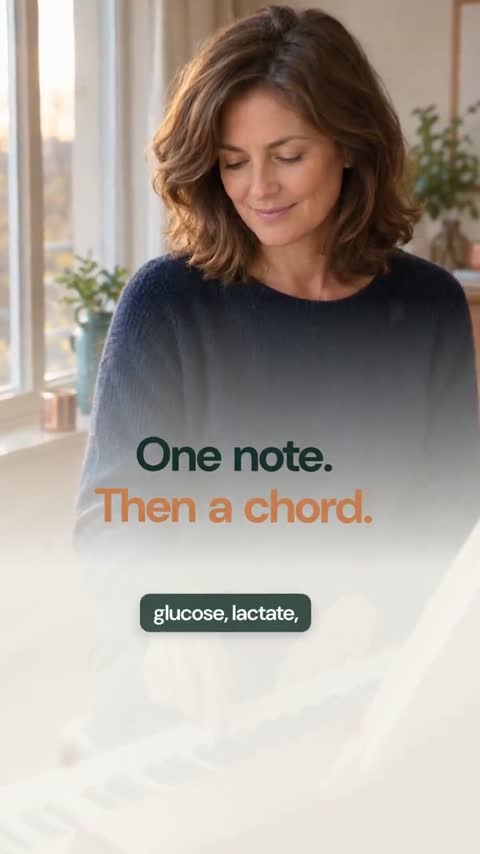
What is a Bio-Signature?
A biomarker is a note; a Bio-Signature is a chord: several biomarkers read together to answer one question about your biology.
Measured by Elite Health Optimization -
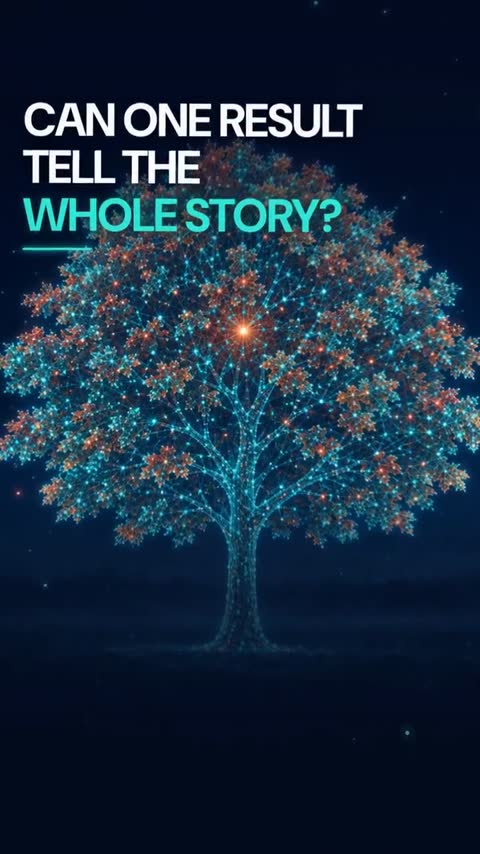
Can one result tell the whole story?
The same trace can come from fruit, tea and coffee, or from an industrial product.
Measured by Elite Health Optimization -
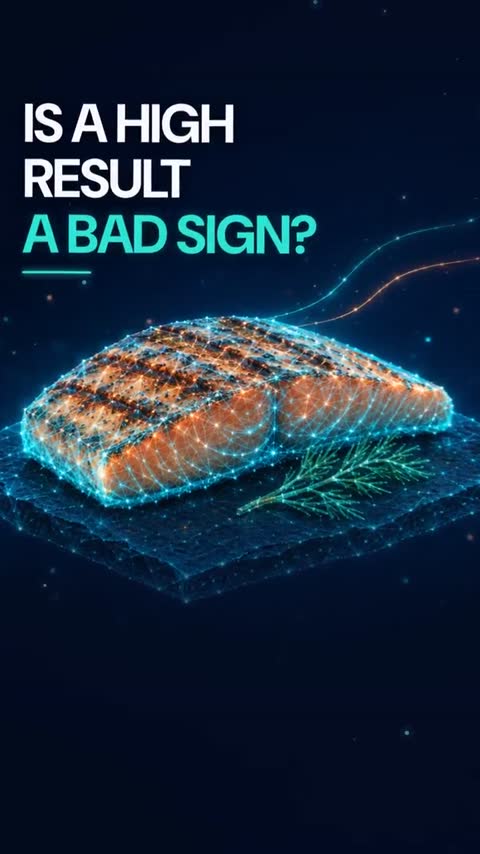
Is a high result a bad sign?
Fish leaves two traces in your blood, and one of them, read on its own, could be worrying.
Measured by Nutrition and microbiome -

Why take another sample?
Some traces speak about your last few days, others about your last few months: a single sample is a photo that mixes the two.
Measured by Elite Health Optimization -
Three myths about biology
Feeling fine isn’t a measurement, your routine blood test doesn’t look at everything, and your watch doesn’t read your biology.
Measured by Elite Health Optimization
The programs
What each program measures and what you receive.
-

TwinMe, it’s that simple
Your kit by mail, a few drops from your fingertip, a questionnaire and your results explained in the app.
Measured by Elite Health Optimization -

TwinMe, how it works
Hundreds of biomarkers read together, your Bio-Signatures explained and practical steps to get started.
Measured by Elite Health Optimization -
The Longevity program
825 biomarker readings per kit, 19 Bio-Signatures, your biological age, your cognition and 12 months of personalized follow-up.
Measured by Longevity & Healthspan -
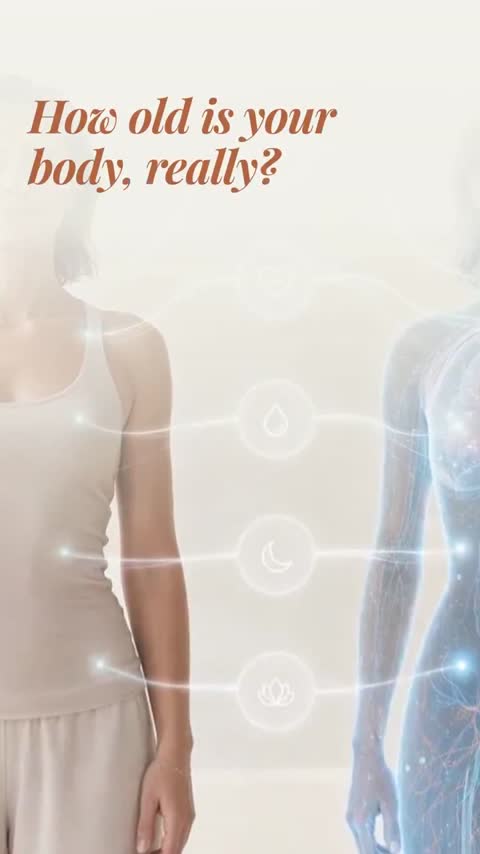
How old is your body, really?
Your biological age, what shapes it and its direction from kit to kit in the Longevity program.
Measured by Longevity & Healthspan
The 6 pillars of Elite Health Optimization
Sleep, stress, nutrition, physical activity, psychosocial wellbeing and exposures: the six pillars measured together in Elite Health Optimization, or one at a time.
-

Complete 360°: all 6 readings, one kit
All six pillars in one kit, with 12 months of TwinMe to follow what changes.
Measured by Elite Health Optimization -

Nutrition Reading: eating well, see the data
What you eat leaves traces in your blood. TwinMe reads them and tells you what to change first.
Measured by Nutrition and microbiome -

Sleep Reading: bad night, long day
What your blood shows about your sleep and recovery, and what to change first.
Measured by Sleep and recovery -

Stress Reading: the day is done, tension stays
The biomarkers of your stress response, read from a few drops of blood.
Measured by Stress and resilience -
Sport Reading: in motion, recovery in focus
During exercise and after: what your biology shows about your training and recovery.
Measured by Physical activity -

Mental Energy Reading: three reads, nothing sticks
Your mental energy, background stress and gut, read together.
Measured by Psychosocial wellbeing -

Exposure Reading: creams, plastics, food, what lingers?
What daily life leaves in your body, and where to start cutting back.
Measured by Environmental exposures -
Nutrition: what your plate leaves behind
Gut microbiome, healthy fats, protein status, plant diversity: four Bio-Signatures show what your meals really leave in your biology.
Measured by Nutrition and microbiome -
Sport: training is also recovering
Your body doesn’t only improve when you push it: it improves when it recovers.
Measured by Physical activity -

Mental energy: a full head by evening
Brain fog at the end of the day isn’t just willpower or age.
Measured by Psychosocial wellbeing -
Everyday exposures
Creams, plastics, packaging, your home: instead of changing ten things blindly, see which one to look at first.
Measured by Environmental exposures -
The Nutrition Analysis, in one minute
133 biomarkers and 4 Bio-Signatures to understand your nutrition and know where to start.
Measured by Nutrition and microbiome -
The Sleep Analysis, in one minute
108 biomarkers and 4 Bio-Signatures to shed light on your sleep and recovery.
Measured by Sleep and recovery -
The Sport Analysis, in one minute
96 biomarkers and 4 Bio-Signatures to follow the energy behind your effort and your recovery.
Measured by Physical activity -
The Stress Analysis, in one minute
95 biomarkers and 4 Bio-Signatures to understand your stress response and your resources for recovery.
Measured by Stress and resilience -
The Mental Energy Analysis, in one minute
193 biomarkers and 6 Bio-Signatures to connect your mental energy, your stress and your gut.
Measured by Psychosocial wellbeing -
The Exposure Analysis, in one minute
71 biomarkers and 4 Bio-Signatures to understand the traces of your everyday exposures.
Measured by Environmental exposures
Instructions
At-home sampling, step by step: the kit, a few drops of blood from your fingertip, then back to the lab.
-

At home sampling
The at-home sample, step by step: a few drops of blood from your fingertip, then the kit goes back to the lab.
Start with Elite Health Optimization -
Why measure instead of guess
Change three things at once and you’ll never know which one worked.
Start with Elite Health Optimization -

-
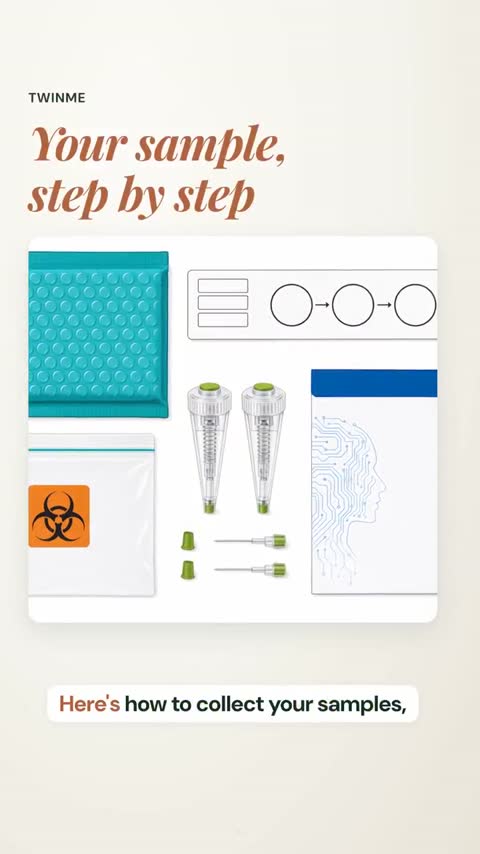
Your sample, step by step
Your TwinMe sample, before, during and after: the steps explained and answers to common difficulties.
Start with Elite Health Optimization
Did you know?
Everyday questions about food, sleep, exercise and the world around us, and what your biology says about them.
-

Your bacteria eat your steak too
Part of your steak isn’t digested by you but by the bacteria in your colon, which turn it into a waste product.
Measured by Nutrition and microbiome -

Your coffee, from 8 a.m. to bedtime
Your liver breaks down caffeine slowly, and a strong dose taken even six hours before bed shortened the sleep of healthy sleepers.
Measured by Sleep and recovery -

A glass of wine to sleep better?
An evening drink makes the first half of the night more solid and breaks the second half into pieces.
Measured by Sleep and recovery -

Should you wash a new sweater?
In Stockholm, 23 out of 26 garments contained a compound used to make tire rubber, and ten washes remove about half of it.
Measured by Environmental exposures -

The meeting is over. Your body isn’t.
Ten minutes of stress is enough: adrenaline releases sugar and fat, then a slower hormone peaks twenty minutes later and takes about an hour to come back down.
Measured by Stress and resilience -

How does this apple last all winter?
So their skin doesn’t brown during months in cold storage, stored apples and pears can be treated with a preservative.
Measured by Environmental exposures -

Catch up on sleep on weekends: true or false?
Five nights of five hours, then a weekend sleeping as much as they wanted: in 2019, University of Colorado volunteers didn’t catch up on everything, and their internal clock had fallen behind.
Measured by Sleep and recovery -
Two eggs for breakfast: good for your cells?
Every cell is wrapped in an envelope of fat that your body rebuilds nonstop.
Measured by Psychosocial wellbeing -

Antioxidants in a pill: are they really useful?
Your cells make their own antioxidant, which wears out as it works and then gets recycled.
Measured by Stress and resilience -
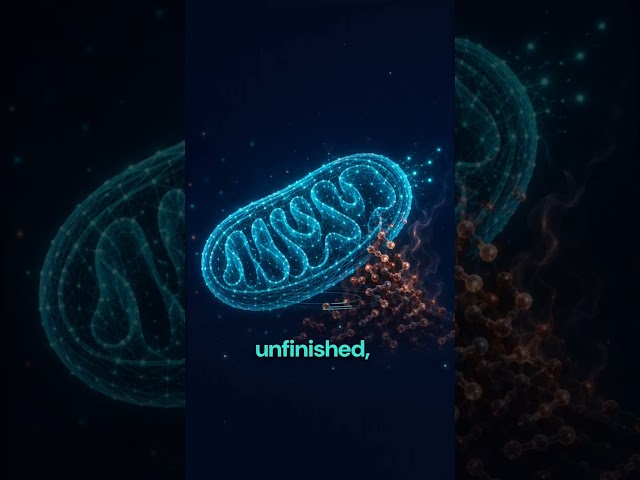
Going all out every session: good idea?
Too much effort without rest leaves a trace: when your muscles don’t finish burning their fat, half-burned pieces pile up.
Measured by Physical activity -

10 minutes outside in the morning: what’s the point?
Daylight is the signal that resets your internal clock, even on a grey day.
Measured by Sleep and recovery -
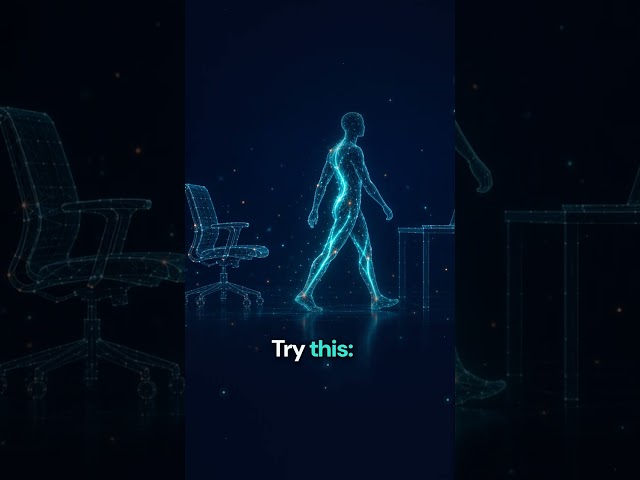
Eight hours at your desk: does it leave a trace?
When you don’t move much, your cells renew the fat in their outer layer more slowly, and an omega-6 often ends up higher in your blood.
Measured by Physical activity -
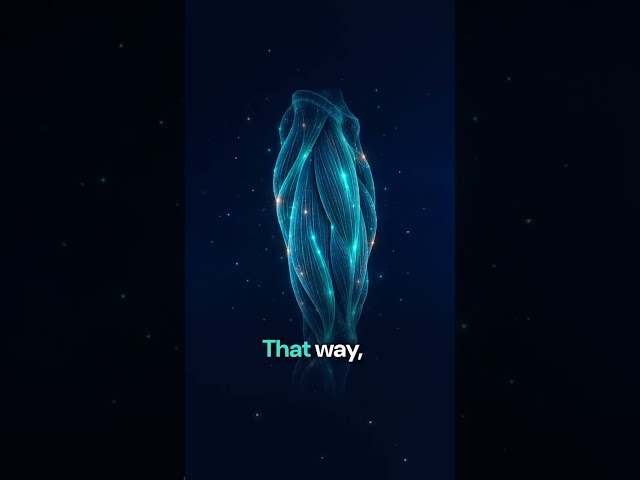
Two big rides in a row: can your body keep up?
When your muscle doesn’t finish burning its fat, half-burned pieces pass into your blood.
Measured by Physical activity -

The thyme in your sauce: does it really count?
Garlic, onion and cooking herbs bring compounds that your gut bacteria transform, and the result ends up in your blood.
Measured by Psychosocial wellbeing -

A full night’s sleep, and still tired?
Your cells rebuild their energy mostly at night, and that work likes a night without breaks.
Measured by Sleep and recovery -

Plastic wrap on your cheese: is it okay?
Some plastic wraps get their stretch from a softener, which passes more easily into fatty foods like cheese.
Measured by Environmental exposures -

Your blood recognizes garlic, avocado and pepper
Garlic, avocado, potato and black pepper each leave compounds of their own in your blood.
Measured by Environmental exposures -
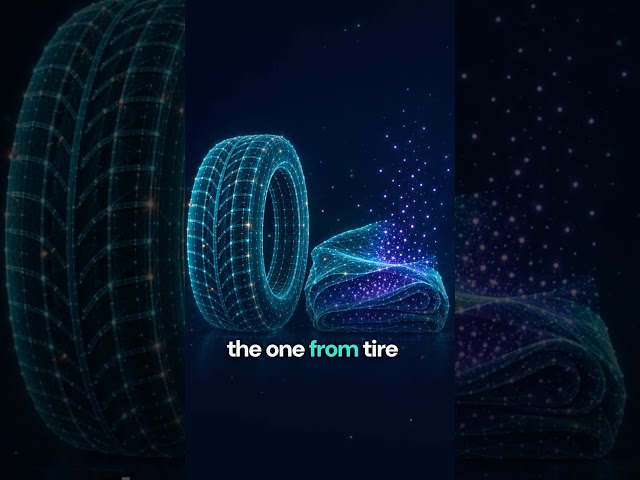
Polyester workout clothes: is washing enough?
In Stockholm, a dye compound was found in almost all the clothes, especially polyester, and ten washes removed only a fifth of it.
Measured by Environmental exposures -

Is cold rice better for your gut?
Once cooled, rice contains resistant starch, which your gut doesn’t digest: your bacteria ferment it and produce a signal considered beneficial.
Measured by Nutrition and microbiome -
Where do 1,000 extra calories go?
In 1999, at the Mayo Clinic, sixteen volunteers ate 1,000 extra calories a day for eight weeks.
Measured by Physical activity -

Switch lotions: are 3 days enough?
In three days, switching personal care products lowered two common preservatives by 44 percent, but not a trace that came from packaging.
Measured by Environmental exposures -
Your legs work for your brain
With regular work, your muscles make a compound that protects the brain, and the longer you sit, the less of it your blood contains.
Measured by Sleep and recovery -
Does your mood depend on your plate?
Mood and sleep need an amino acid your body can’t make: only protein provides it, hence protein at every meal, breakfast included.
Measured by Stress and resilience -

Does your sunscreen stay on your skin?
One of the most common UV filters doesn’t stay entirely on the surface: your skin absorbs some of it, and it’s also found in other cosmetics.
Measured by Environmental exposures -

Yogurt cup ink in your food?
Stacked printed yogurt cups touch, and the ink from one transfers to the inside of the next.
Measured by Environmental exposures -
Protein within 30 minutes of exercise: true or false?
In 2013, a review of 23 studies: with the same amount over the day, protein timing after exercise made almost no difference to muscle gained.
Measured by Nutrition and microbiome -
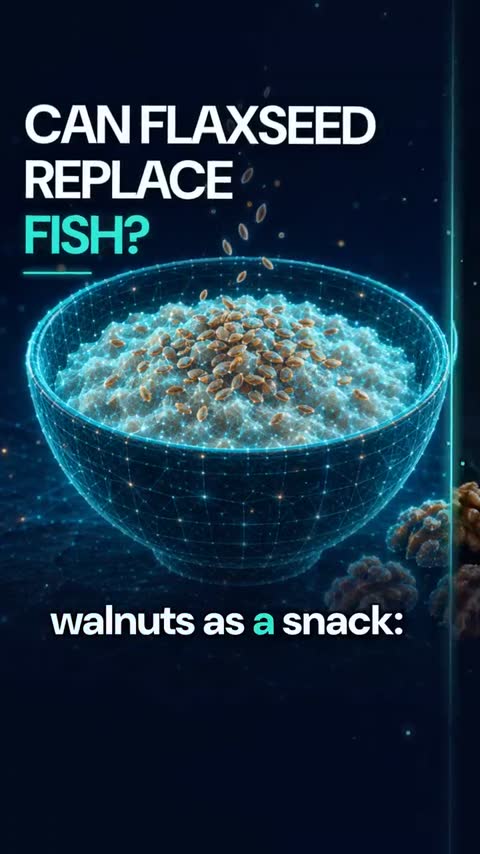
Can flaxseed replace fish?
Flax and walnuts give you a plant omega-3, oily fish gives you another, and your body is very bad at turning one into the other.
Measured by Nutrition and microbiome -
All-nighter, foggy head: why?
Your neurons rebuild their energy in seconds from a reserve, and an all-nighter draws it down.
Measured by Sleep and recovery -
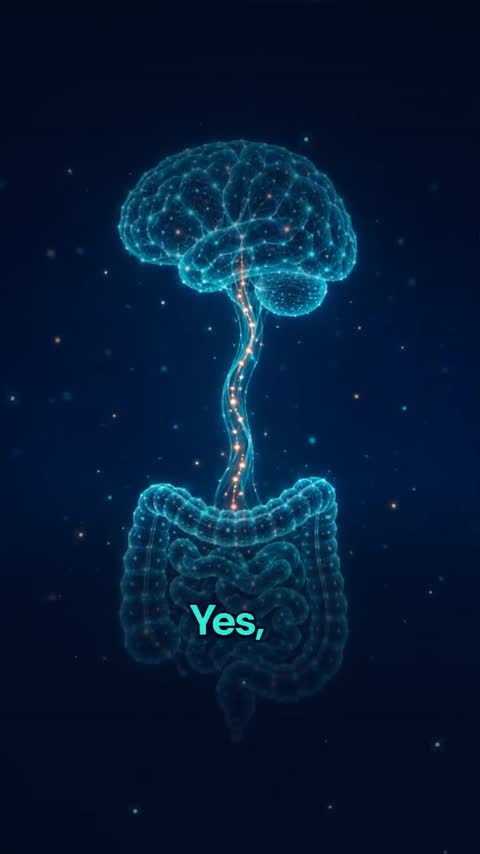
Does your gut talk to your brain?
From an amino acid in your meals, your gut bacteria make compounds your body can’t make on its own: mice without bacteria don’t have them.
Measured by Psychosocial wellbeing -
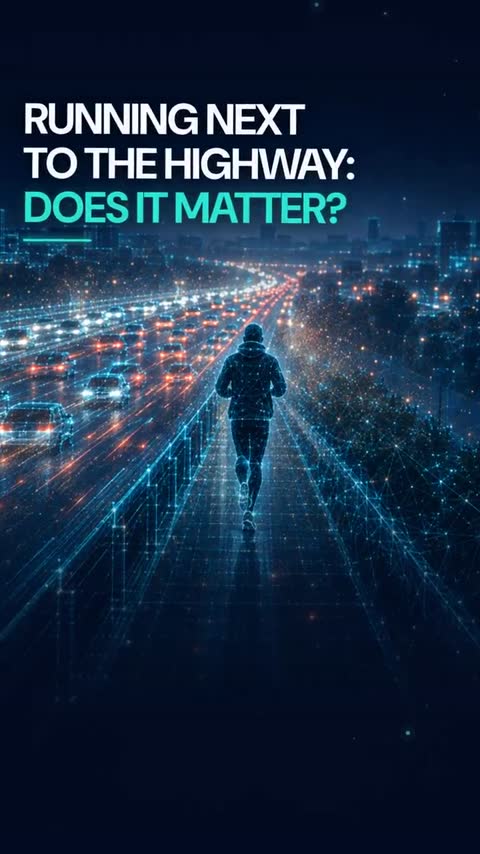
Running next to the highway: does it matter?
Beside Henri-IV Highway in Quebec City, traffic reaches 84,000 vehicles a day, and the air returns to city levels within a few hundred metres.
Measured by Environmental exposures -
Do your bones need fruit?
About 90 percent of a compound that keeps your bone crystals small and stable sits in your bones and teeth, and fruit and vegetables provide it.
Measured by Physical activity -
Does running on empty burn more fat?
Fat can’t get into your cells’ power plants on its own: a carrier brings it in.
Measured by Physical activity -
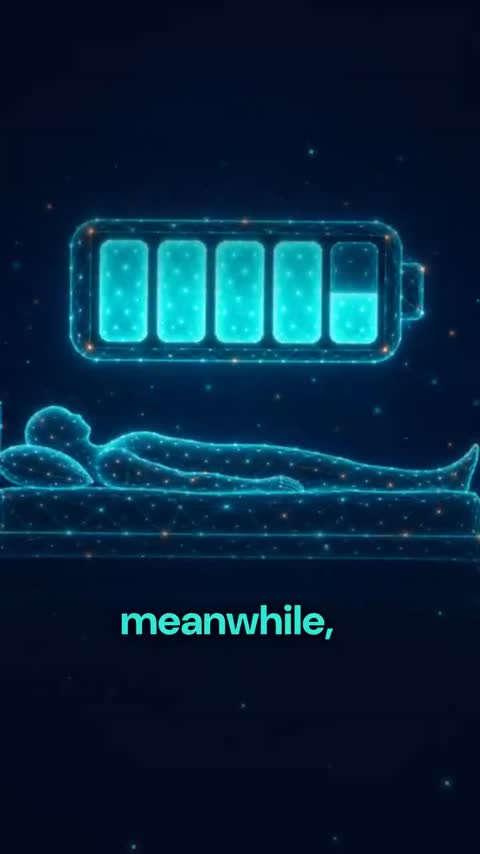
What your body recharges at night
The battery that protects your cells from wear runs down during the day, gets recycled, and is rebuilt at night.
Measured by Sleep and recovery -

30 plants a week: does it show?
Fruit, vegetables, tea and whole grains each leave their own trace in your blood.
Measured by Nutrition and microbiome -
Can stress show up in your blood?
Cortisol peaks when you wake up and then comes down: a single number depends on the time of day, and what matters is how your body responds to pressure.
Measured by Stress and resilience -
Is more training always better?
When your muscles get more fat than they can finish, half-burned pieces pile up, and the heaviest programs show up to 488 percent more.
Measured by Physical activity -

Fasting for several days: good idea?
Six days without eating switch on a detour for an amino acid from your meals, the same one that feeds the evening signal.
Measured by Psychosocial wellbeing -
After 50, are you losing muscle without seeing it?
When your muscle breaks down, it releases a fragment that ends up in your blood.
Measured by Nutrition and microbiome -
Why do your nerves need fat?
Like an electrical cord, every nerve is wrapped in a sheath, and that sheath contains fats.
Measured by Psychosocial wellbeing -
Does what you swallow stay for years?
A volunteer swallowed a small, known dose of a plasticizer: 90 percent was gone within 24 hours.
Measured by Environmental exposures -

Blueberries at 3 p.m.: does it show in your blood?
Your proteins oxidize a little, like a cut apple turning brown, and that wear leaves a trace in your blood.
Measured by Psychosocial wellbeing -
Is sauerkraut from the jar still alive?
Fermented sauerkraut brings live bacteria, but a pasteurized jar has been heated, and the heat kills them.
Measured by Nutrition and microbiome -
Biking uphill: where does the energy come from?
When you stand up on the pedals, your muscle taps into a fast energy reserve that your body partly makes itself, with your plate supplying the rest.
Measured by Physical activity -
A yogurt a day: what difference does it make?
From an ingredient in your meals, your gut bacteria make messengers, including one that research links to better communication between your gut and your brain.
Measured by Psychosocial wellbeing -
Awake at 3 a.m.: is that normal?
Waking up at night is normal: what helps you wake up less often is regularity.
Measured by Sleep and recovery -
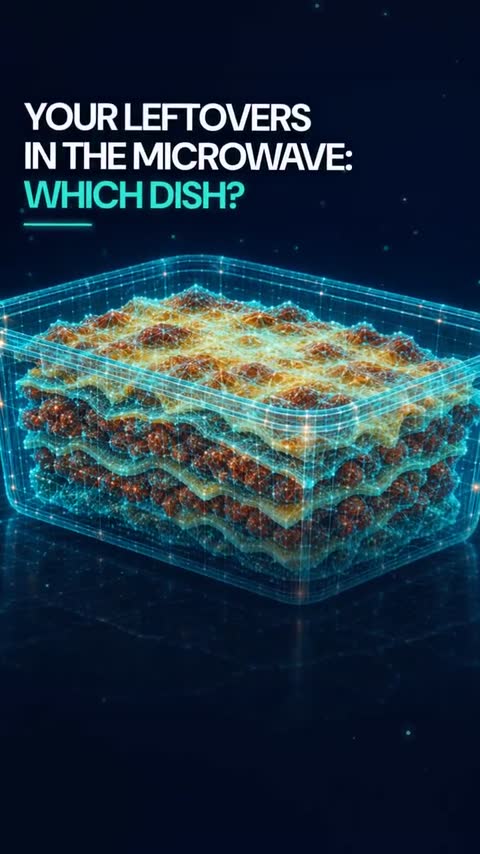
Your leftovers in the microwave: which dish?
Some plastics contain softeners that pass into food more easily when it’s heated, especially fatty food.
Measured by Environmental exposures -
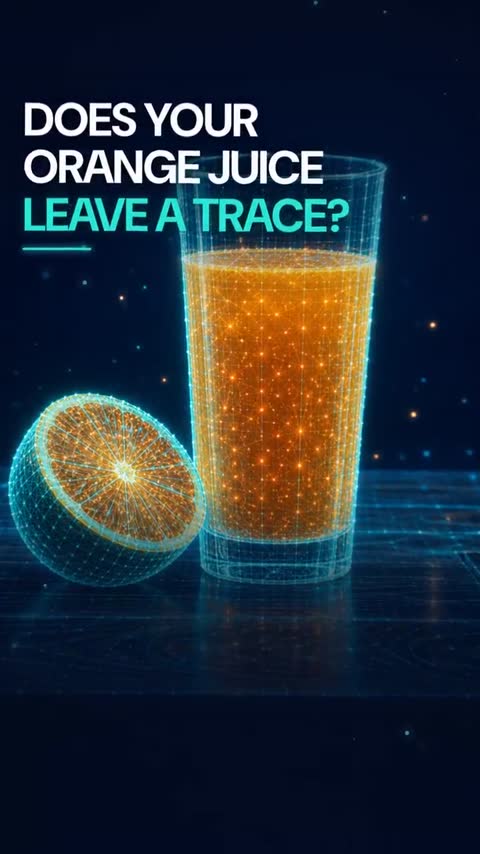
Does your orange juice leave a trace?
Citrus fruits leave a distinctive compound in your body, which keeps a trace of your meals.
Measured by Nutrition and microbiome -

Does your blood know what you ate?
Garlic, black pepper, avocado, potato and even the aroma of food browning in the pan each leave their own trace in your blood.
Measured by Environmental exposures -
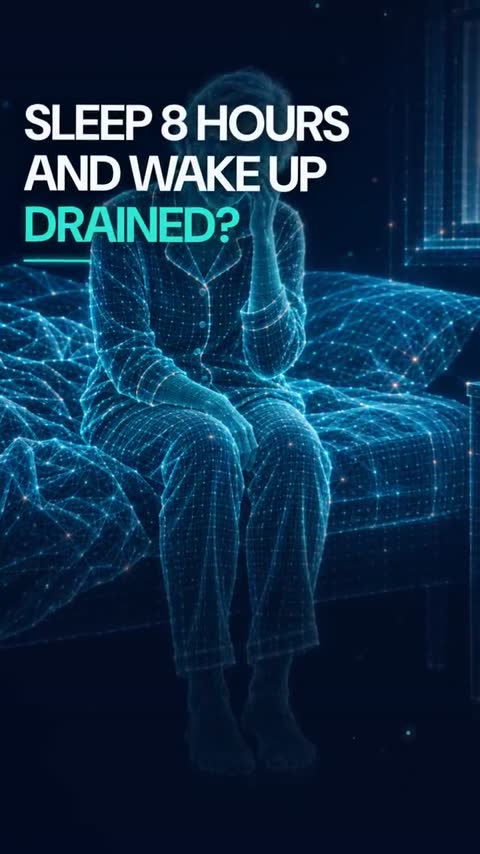
Sleep 8 hours and wake up drained?
Inside your cells, one step in making energy needs vitamin B12 to keep moving, and when there isn’t enough, a residue builds up.
Measured by Sleep and recovery -
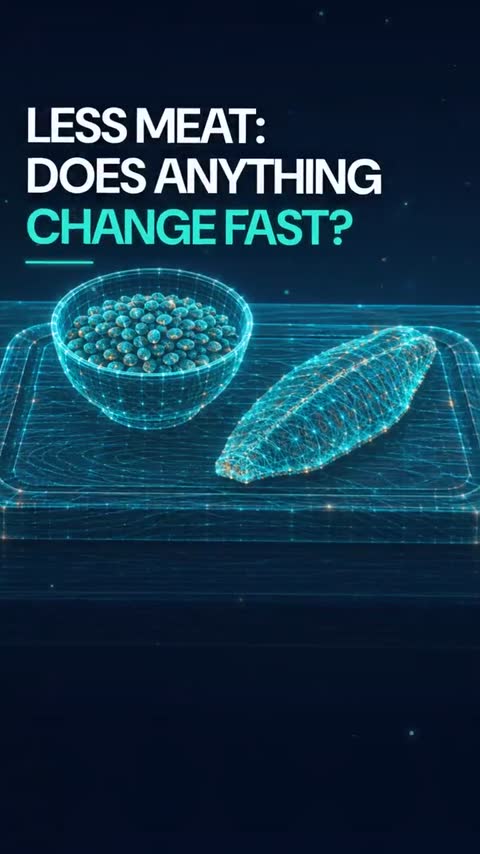
Less meat: does it show up fast in your blood?
Six days of Mediterranean meals in adults around age 69: out of 109 compounds tracked in the blood, the trace of the muscle in meat was one of the two that dropped the most.
Measured by Nutrition and microbiome -
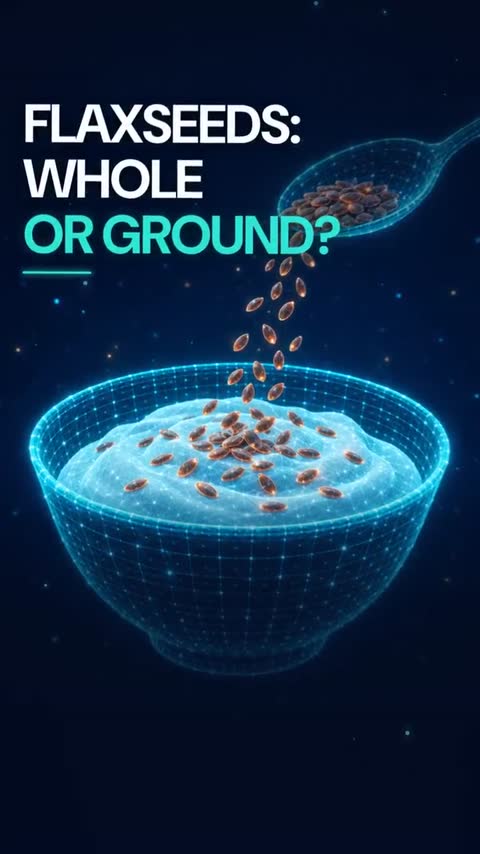
Flaxseeds: whole or ground?
Flax provides a plant omega-3 your body can’t make.
Measured by Psychosocial wellbeing -

Does raking leaves count as exercise?
Every chore you do standing up is time not spent sitting, and small moves through the day break up long stretches of sitting.
Measured by Physical activity -

Stressed? Is dark chocolate a good idea?
Dark chocolate has one thing going for it on a stressful day, and it’s not the sugar: magnesium, a mineral linked to relaxation, also found in almonds, pumpkin seeds and lentils.
Measured by Stress and resilience -
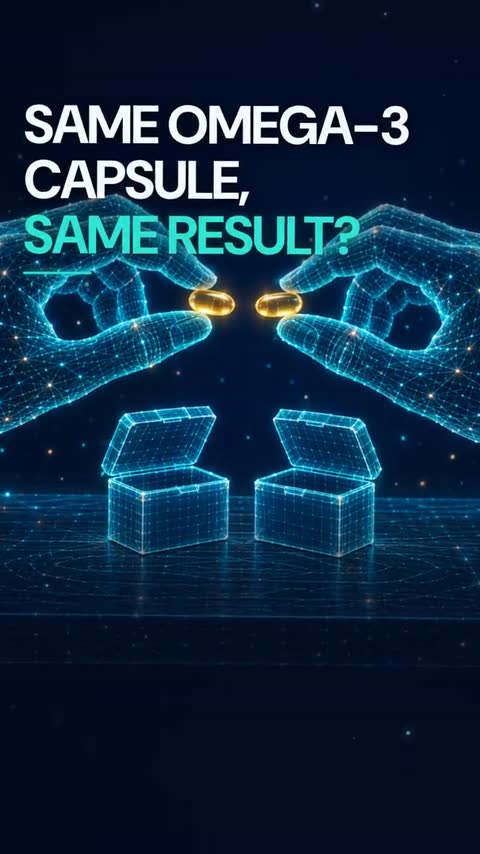
Your omega-3 capsule: how does your body respond?
Measuring how your body responds helps you understand what an omega-3 capsule brings you.
Measured by Nutrition and microbiome -
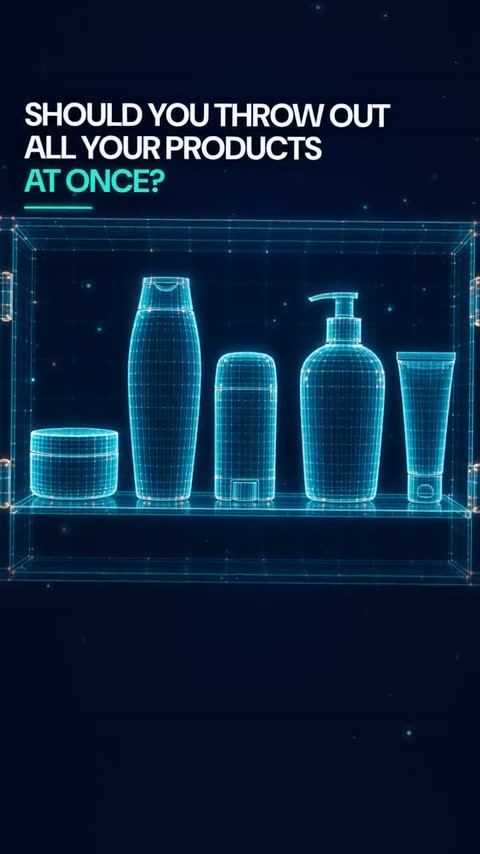
Throw out all your personal care products at once?
A common preservative keeps germs from growing in your creams and shampoos.
Measured by Environmental exposures -
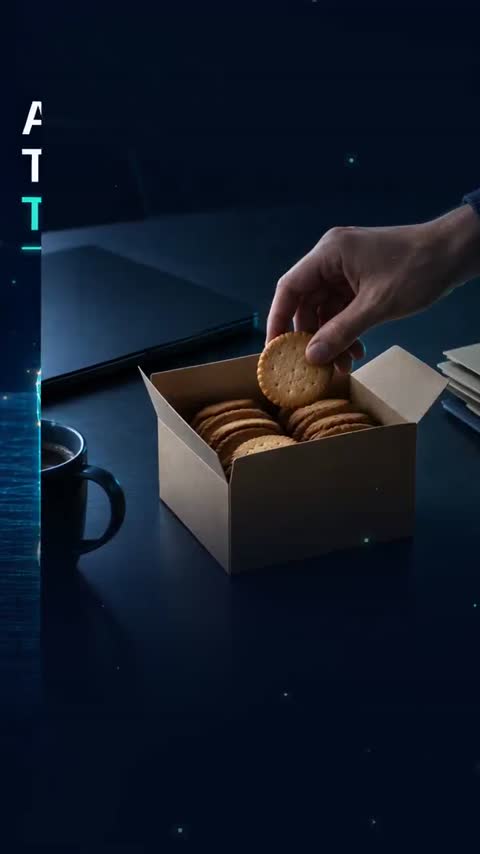
A sugar fix to get through the afternoon?
The sugar in a cookie gets into your blood fast, while the fibre in an apple or oats slows it down.
Measured by Psychosocial wellbeing -
Is honey just flowers?
To protect their bees from a mite, some beekeepers put a product in the hive, and the honey can keep traces of it: in hives where it was used, one study found traces in every sample.
Measured by Environmental exposures -
Does a hectic month really wear your body down?
Inside your cells, work produces a kind of rust that can damage proteins and leave a trace in your blood.
Measured by Psychosocial wellbeing -
Does beef broth count as meat?
Meat leaves a small fragment of muscle in your blood that your body doesn’t recycle, and some of it passes into the broth during cooking.
Measured by Nutrition and microbiome -

Your phone in bed: does it disturb your sleep?
In the evening, your body makes a sleep signal that follows light: bright light late at night can hold it back, and soft light lets it rise.
Measured by Sleep and recovery -
A two-hour movie on the couch: does it count?
To your muscles, the couch and the office chair are the same: when you don’t move much, an omega-6 often ends up higher in your blood.
Measured by Physical activity -
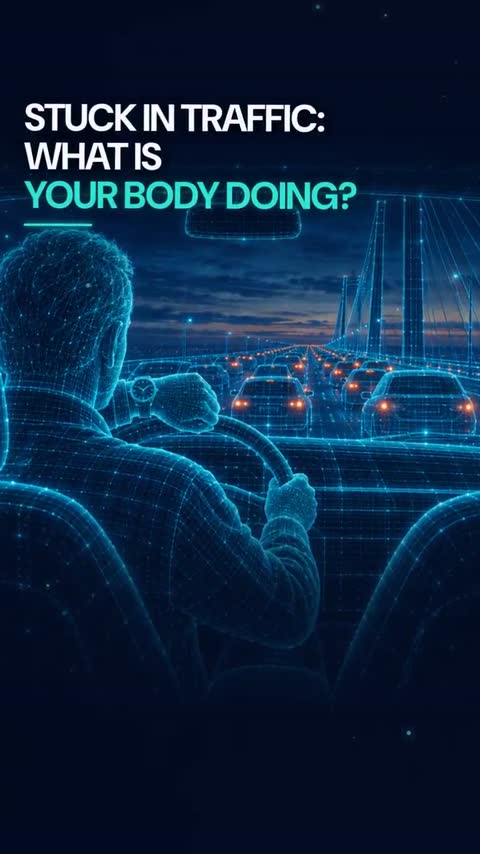
Stuck in traffic: what is your body doing?
In a traffic jam, an alarm hormone gets your body ready to run while you’re sitting still.
Measured by Stress and resilience -

Sunflower or canola: does it make a difference?
Sunflower and corn oil mostly give you omega-6s, while canola also gives you omega-3s: your everyday oil can tip the scale.
Measured by Nutrition and microbiome -

Bug spray: wash it off when you come in?
The most common active ingredient in bug spray doesn’t stay entirely on your skin: some of it gets into your body.
Measured by Environmental exposures -

Should you throw out all your plastic containers?
Your body gets rid of most of these softeners in a day: what counts are the plastics you use every day.
Measured by Environmental exposures -

Dark chocolate at night: what about your sleep?
Dark chocolate contains the same stimulant as coffee, and your liver takes time to break it down: eaten in the evening, some can still be there at bedtime.
Measured by Sleep and recovery -

Is one week of vacation enough to recover?
A busy stretch isn’t a problem in itself: what matters is that recovery keeps up.
Measured by Stress and resilience -
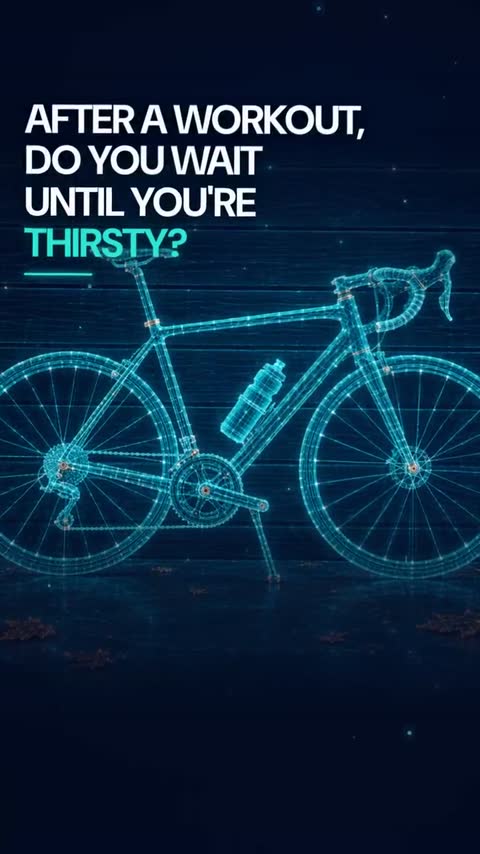
After a workout, do you wait until you’re thirsty?
With age, your sense of thirst gets weaker: not feeling thirsty after exercise doesn’t mean you’ve had enough to drink.
Measured by Physical activity -
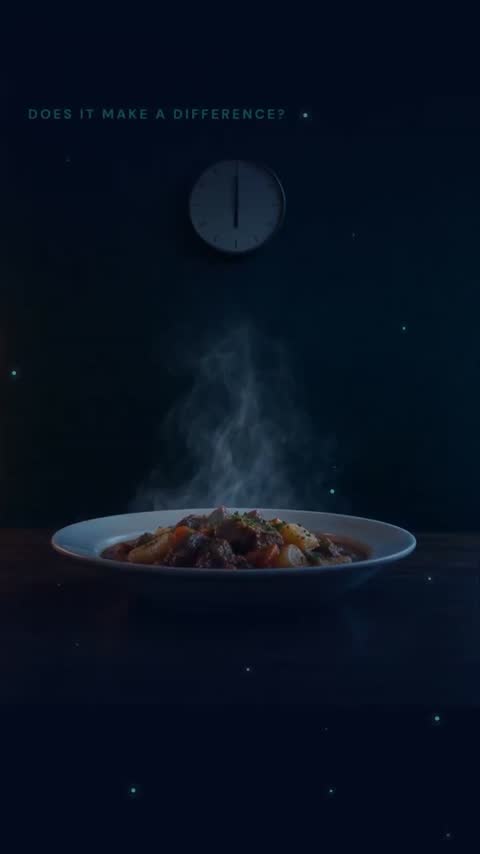
Late dinner: your gut bacteria notice
Your gut bacteria have their own daily rhythm, set by the timing of your meals.
Measured by Sleep and recovery -
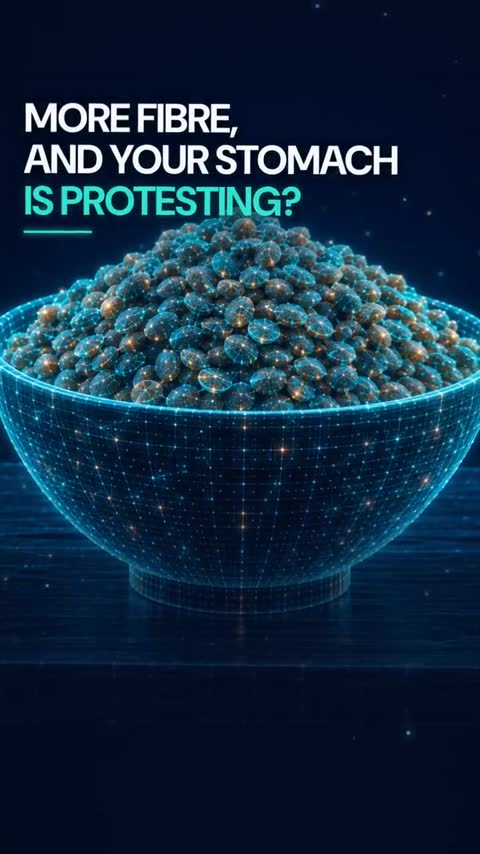
More fibre, and your stomach is protesting?
Your bacteria are the ones that ferment your fibre: add too much at once, and you give them more than they can handle.
Measured by Nutrition and microbiome -
Exercise the day before a sample: does it matter?
After a long, sustained effort, a small residue from protein rises in your blood, so your outing the day before leaves a trace the next day.
Measured by Physical activity -
Fibre leaves you bloated? Cook it
Fibre feeds your gut bacteria, which make a messenger from it that research links to better communication between your gut and your brain.
Measured by Psychosocial wellbeing -
Where does sleepiness come from? The cat story
In sleep-deprived cats, researchers found a compound around the brain that brings on sleep.
Measured by Sleep and recovery -

Hot spaghetti sauce in plastic: good idea?
Heat, fat, acidity and time: four things that move more softeners from plastic into food, and spaghetti sauce checks all of them.
Measured by Environmental exposures -
Blueberries: what trace do they leave in your blood?
Part of what blueberries, tea and vegetables contain is transformed by your bacteria before it passes into your blood.
Measured by Nutrition and microbiome -

Does the air in your car really matter?
In Albany, a compound from tire rubber was found mostly in the air inside cars, then homes, but that air made up only a tenth of the total intake.
Measured by Environmental exposures -
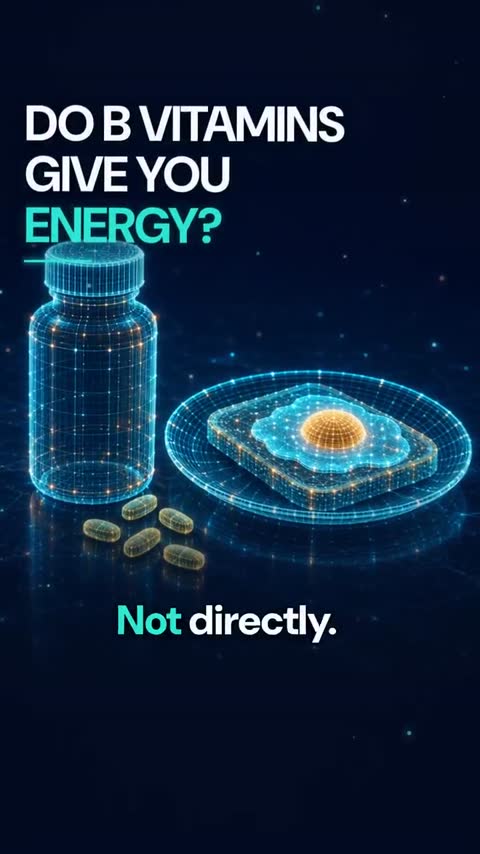
Do B vitamins give you energy?
Your energy comes from the sugar and fat in your meals, and B vitamins are the tools to extract it.
Measured by Sleep and recovery -
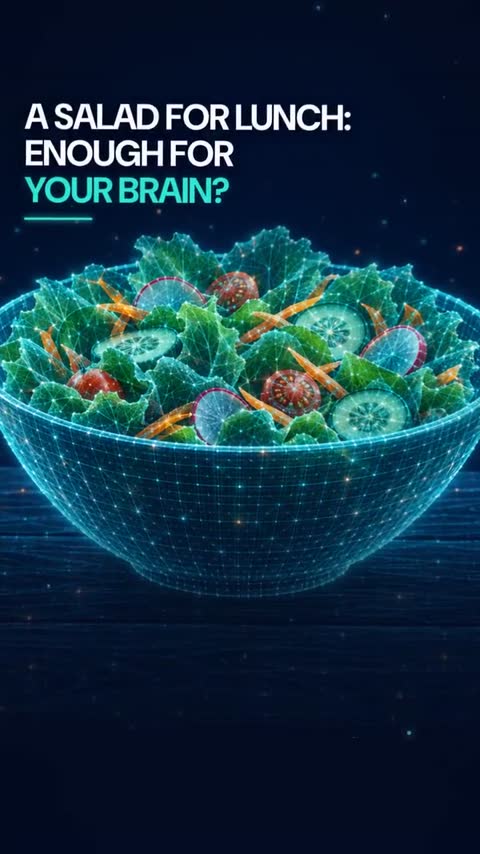
A salad for lunch: enough for your brain?
Your neurons rebuild their energy in a few seconds from a fast reserve, which your plate tops up mostly with meat and fish, hardly at all with vegetables.
Measured by Psychosocial wellbeing -

Which oil should you use for salad dressing?
Sunflower and corn oil tip the scale toward omega-6, while canola, flax and walnuts provide a plant omega-3 your body can’t make.
Measured by Psychosocial wellbeing -
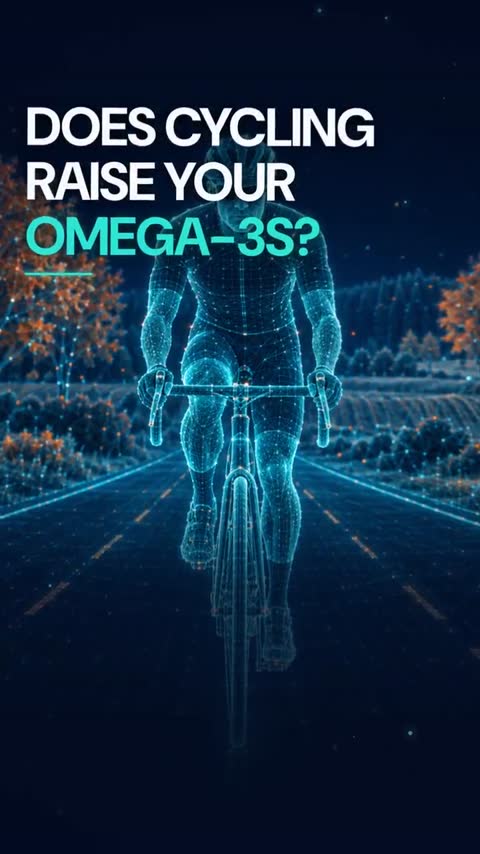
Does cycling raise your omega-3s?
Your body is very bad at making the omega-3 from fish: twelve weeks of endurance training with a fake capsule didn’t budge it.
Measured by Nutrition and microbiome -
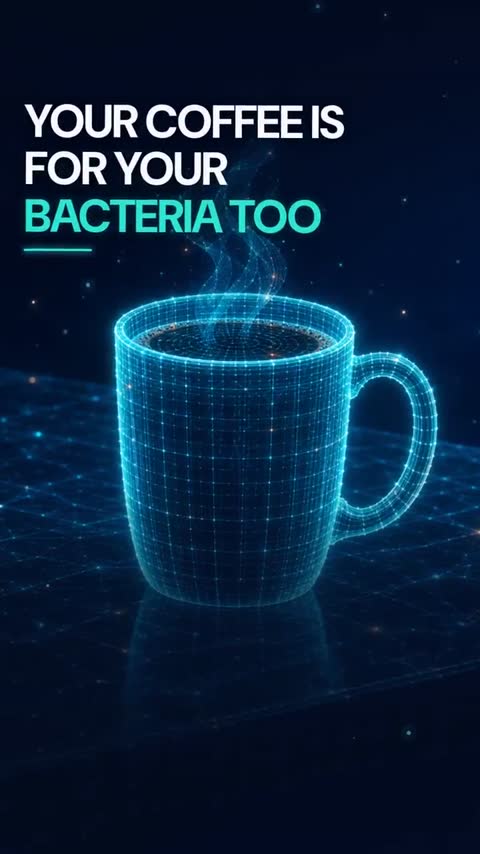
Your coffee is for your bacteria too
The stimulant in coffee goes to your brain, but its plant compounds are transformed by your gut bacteria, and the result passes into your blood.
Measured by Psychosocial wellbeing -
A nap: how many minutes at most?
A short nap can help you recover, but past thirty minutes it can throw off the rhythm of your night.
Measured by Sleep and recovery -

Eau de parfum or eau de toilette: what’s different?
Eau de parfum and eau de toilette don’t tell you the scent, but the dose: 15 to 40 percent fragrance in one, 5 to 15 percent in the other.
Measured by Environmental exposures -
Hectic week: what are your gut bacteria eating?
TwinMe’s Emotional Balance Bio-Signature carries a surprising label: gut balance and plant diversity.
Measured by Stress and resilience -
Is rinsing your vegetables really enough?
Rubbing while you rinse removes what’s left on the skin.
Measured by Environmental exposures -
A drink to unwind on Friday: does it help?
After a busy week, your cells need their defences against wear and tear, and alcohol taxes them.
Measured by Stress and resilience -
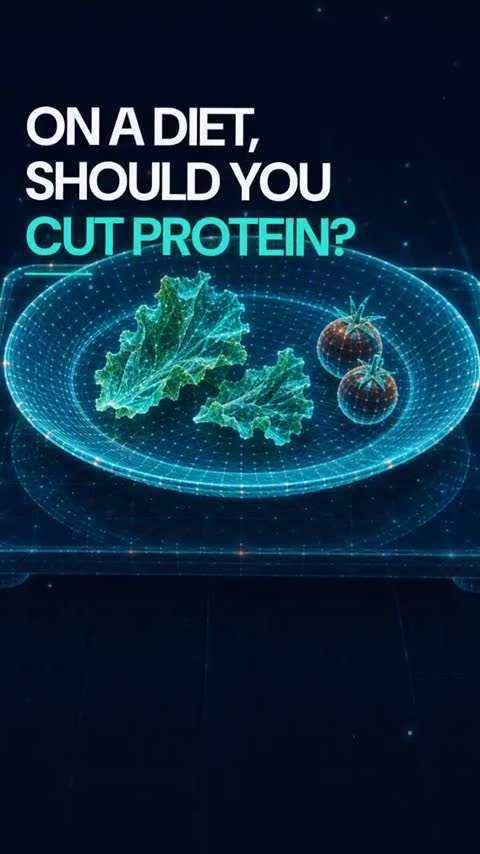
On a diet, should you cut protein?
When you eat less, keep protein at every meal.
Measured by Nutrition and microbiome -

Three months of crunch time: does it leave a trace?
A busy stretch isn’t a problem in itself: what matters is that recovery keeps up.
Measured by Psychosocial wellbeing -

Three hours straight in the car: should you stop?
Behind the wheel, your legs barely work, and long hours without moving often leave an omega-6 higher in your blood.
Measured by Physical activity -

Your stress hormone reads the clock
Your stress hormone follows a clock, high when you wake up and lower in the evening, and that clock is set by light.
Measured by Stress and resilience -

Can you cook with olive oil?
Olive oil handles heat better than corn oil, which mostly gives you omega-6s.
Measured by Nutrition and microbiome -

What makes your toothpaste foam?
The foam in toothpaste and some shampoos comes from an added ingredient, a foaming and cleansing agent whose name is on the label.
Measured by Environmental exposures -
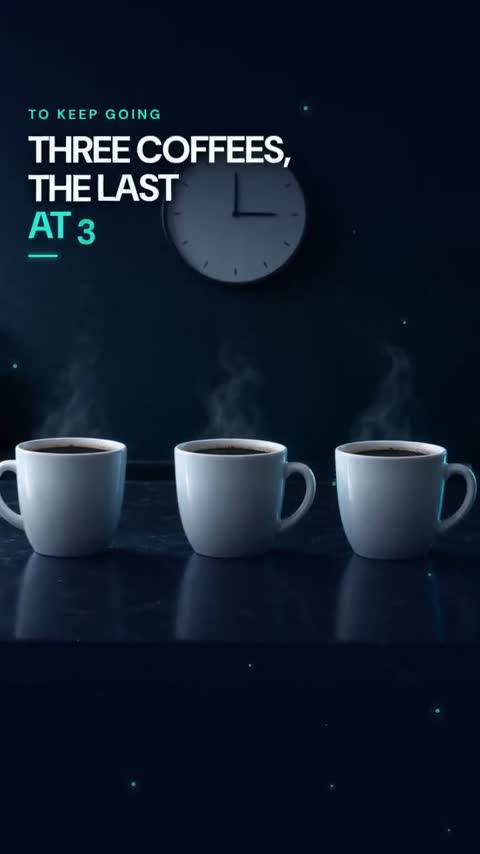
More coffee to get through the week?
When the pressure’s on, your body is already making its own alert hormone, and afternoon coffee can shorten the night you need to recover.
Measured by Stress and resilience
No video for this choice.
More videos on our channels
A new video every day to help you understand your biology.