TwinMePowered by BioTwin
Store
EN

One annual program. Your personal biology.

Weight and Cholesterol
Management

Understand your metabolism through 13 Bio-Signatures.

From $795 for 1 kit · one-time payment

  • An at-home collection kitA few drops of blood, 5 times over 2 to 5 days, no appointment. Send it back in the prepaid envelope.
  • 13 Bio-Signatures, explainedWeight, visceral fat, lipid balance, food: 233 biomarkers grouped by theme.
  • 12 months of TwinMeYour results, the context of your meals and activity, and Twinee for your questions.

Lipid-balance insights; no clinical LDL or HDL test included.

A woman prepares a lentil and vegetable meal in a bright kitchen.

Example reading

What you read
in a Bio-Signature.

Every Bio-Signature follows the same thread: what it brings together, the biomarkers involved, what it does not replace, what puts it in context in your daily life and what your next kit lets you compare.

Educational example drawn from the definition of the Bio-Signature in your program. No personal result, no score.

Lipid balance

Metabolism and microbiome
What it brings together
Organizes your lysophosphatidylcholines, omega-3 and omega-6 fatty acids (alpha-linolenic, docosapentaenoic, adrenic) and sphingolipids: transport, membranes and fatty acids.
The biomarkers involved

Membranes

  • Lysophosphatidylcholine (LPC 14:0)
  • Phosphatidylcholine (PC 36:2)

Fatty acids carried to energy

  • Acetylcarnitine (C2)
  • Linoleoylcarnitine (C18:2)

Omega-3 fatty acids

  • Alpha-linolenic acid (ALA)
  • Docosapentaenoic acid (DPA)
and 38 more. See all 44
What it does not replace
Your cholesterol panel (LDL, HDL) keeps its units and thresholds. This reading adds to it without replacing it.
What puts it in context
Your meals over the previous days, your omega-3 and omega-6 intake and the time of your sample.
At your next kit
Compare a new period, with dated food context.
The other 12 Bio-Signatures follow the same thread. Available results depend on usable data from your sample.
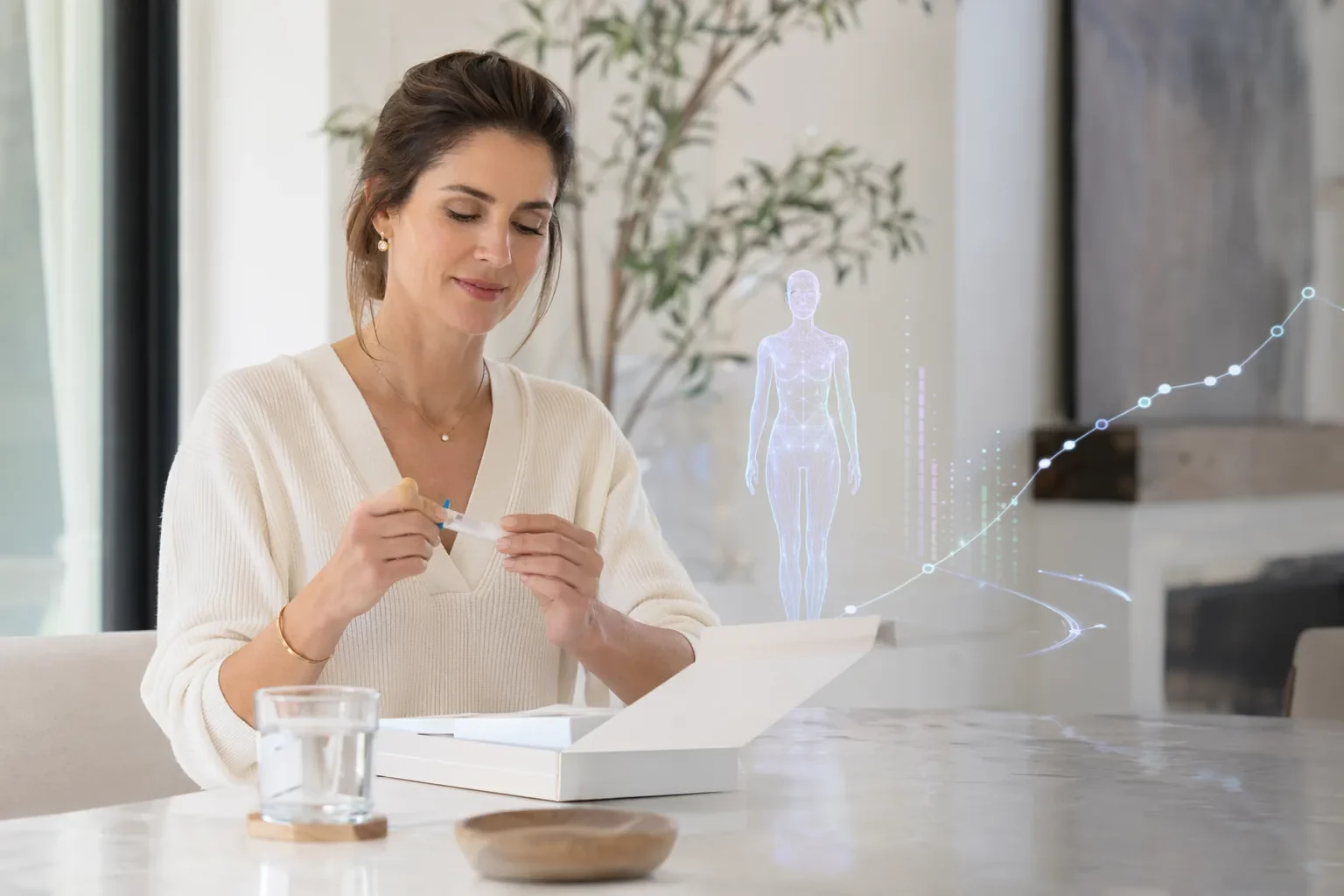
The BioTwin collection kit, an at-home starting point

Kits and prices

One 12-month program.
The number of kits you choose.

Platform access lasts 12 months. One kit establishes your starting point; each new kit adds a comparison point to see what is really changing.

Weight and Cholesterol Management

1kit

Establish your starting point

One biological portrait to explore throughout your year. Add a kit whenever you want a new comparison point.

$795One-time payment

Order 1 kit

Weight and Cholesterol Management

12kits

Follow an active change closely

One kit every month: the tightest comparison loop, to adjust quickly and tell a trend from a passing variation.

$6,695Paid upfront for the year · save ≈ 30%

Choose 12 kits a year

* One-time payment. Quarterly or monthly payment also available, at $795 per kit.
Pay every three months · Pay every month

Annual program prices, 12 months of TwinMe included. Taxes and delivery are confirmed in the store before payment.

Bio-Signatures exclusive to BioTwin and TwinMe

The 13 Bio-Signatures
in your program.

Each one brings together biomarkers tied to the same theme. Each list opens with its direction molecules, which published studies link to that theme (sources cited under each Bio-Signature), then takes in every molecule of the same biological family read in your sample. Your connected scale adds your body composition. Available results depend on usable data from each sample.

Body composition5 Bio-Signatures

  1. Biological weightBrings together the branched-chain amino acids (leucine, isoleucine), phenylalanine and the short C5 acylcarnitine, the pathway research most consistently links to weight and adiposity.74 related biomarkers

    It gives biological context to the weight your scale measures.

    • 2-Aminoadipic acid
    • 2-hydroxybutyrate
    • 2-Methylbutyrylcarnitine (C5)
    • 3-hydroxyisovalerate
    • 3-Methylhistidine
    • 5'-amp
    • 5'-imp
    • 5'-ump
    • Acetylcarnitine (C2)
    • Adenosine
    • Allantoin
    • Alpha-aminoadipic acid
    • Alpha-linolenic acid (ALA)
    • Arabinitol
    • Asparagine
    • Asymmetric dimethylarginine (ADMA)
    • Butyrylcarnitine (C4)
    • Caffeine
    • Cis-vaccenic acid
    • Cortisol
    • Creatine
    • Creatinine
    • D-fructose
    • D-sorbitol
    • Eicosatrienoic acid
    • Gamma-glutamyl-phenylalanine
    • Gluconic acid
    • Glutamine
    • Hippuric acid
    • Hypoxanthine
    • Indole-3-propionic acid
    • Indoxyl sulfate
    • Inosine
    • Isoleucine
    • Leucine
    • Methionine
    • Methionine sulfoxide
    • Methylmalonic acid
    • N-Acetylglycine
    • Nicotinamide
    • Ophthalmic acid
    • p-Cresol sulfate
    • Paraxanthine
    • Phenylacetylglutamine
    • Phenylalanine
    • Phytosphingosine
    • Proline
    • Pseudouridine
    • Ribose
    • Serine
    • Spermidine
    • Sphinganine
    • Sphinganine-1-phosphate
    • Sphingosine
    • Sphingosine 1-phosphate
    • Succinylcarnitine
    • Taurine
    • Testosterone
    • Threonine
    • Tryptophan
    • Uric acid
    • Xanthine
    • Xylitol
    • Height
    • Weight
    • BMI
    • Body fat %
    • Muscle mass
    • Body water %
    • Visceral fat level
    • Bone mass
    • Age
    • Gender
    • Questionnaire answers

    Scientific sources

  2. Body fatFollows how your fats are mobilized and then used for energy, through short-chain acylcarnitines (C4, C5) and succinylcarnitine.48 related biomarkers

    Your scale gives the body-fat percentage; this reading sheds light on what goes with it.

    • 1-Methylhistidine
    • 2-Aminoadipic acid
    • 2-Methylbutyroylcarnitine
    • 2-Methylbutyrylcarnitine (C5)
    • 3-Methylhistidine
    • Allantoin
    • Asparagine
    • Butyrylcarnitine (C4)
    • Cortisol
    • Creatine
    • Creatinine
    • D-fructose
    • D-sorbitol
    • Dihydrosphingosine
    • Hippuric acid
    • Hypoxanthine
    • Indoxyl sulfate
    • Isoleucine
    • Leucine
    • Lysophosphatidylcholine 14:0
    • LysoPI(18:0)
    • Methionine
    • N-Acetylglycine
    • Phenol sulfate
    • Phenylacetylglutamine
    • Phenylalanine
    • Proline
    • Pseudouridine
    • Serine
    • Sphinganine-1-phosphate
    • Sphingosine
    • Sphingosine 1-phosphate
    • Succinylcarnitine
    • Taurine
    • Testosterone
    • Tryptophan
    • Uric acid
    • Height
    • Weight
    • BMI
    • Body fat %
    • Muscle mass
    • Body water %
    • Visceral fat level
    • Bone mass
    • Age
    • Gender
    • Questionnaire answers

    Scientific sources

  3. Body waterBrings together osmolytes (taurine, creatine), small molecules that help cells hold their water volume.31 related biomarkers

    Body water itself comes from your scale; this reading accompanies it, to compare from one weigh-in and one kit to the next.

    • 2-Oxobutanoic acid
    • Adenosine
    • Adenosine monophosphate (AMP)
    • Asymmetric dimethylarginine (ADMA)
    • Creatine
    • Creatinine
    • Histamine
    • Hypoxanthine
    • IMP
    • Indole-3-propionic acid
    • Inosine monophosphate (IMP)
    • Proline
    • Serine
    • Sphinganine
    • Sphingosine
    • Taurine
    • Threonine
    • Tryptophan
    • Uric acid
    • Xanthine
    • Height
    • Weight
    • BMI
    • Body fat %
    • Muscle mass
    • Body water %
    • Visceral fat level
    • Bone mass
    • Age
    • Gender
    • Questionnaire answers

    Scientific sources

  4. Bone massBrings together testosterone, the tryptophan and kynurenine pathway and several amino acids that population studies link to bone density.43 related biomarkers

    Bone mass comes from your scale; this reading gives it context, without measuring density.

    • Acetylcarnitine (C2)
    • Allantoin
    • Asymmetric dimethylarginine (ADMA)
    • Cholecalciferol (vitamin D3)
    • Citrulline
    • Cortisol
    • Creatinine
    • Glutamine
    • Hippuric acid
    • Hypoxanthine
    • Indole-3-acetic acid
    • Indole-3-propionic acid
    • Indoxyl sulfate
    • Inosine
    • Isoleucine
    • Kynurenine
    • L-aspartate
    • Leucine
    • Methionine
    • Nicotinamide
    • p-Cresol sulfate
    • Proline
    • Serine
    • Spermidine
    • Spermine
    • Symmetric dimethylarginine (SDMA)
    • Taurine
    • Testosterone
    • Tetradecanedioic acid
    • Threonine
    • Tryptophan
    • Uric acid
    • Height
    • Weight
    • BMI
    • Body fat %
    • Muscle mass
    • Body water %
    • Visceral fat level
    • Bone mass
    • Age
    • Gender
    • Questionnaire answers

    Scientific sources

  5. Visceral fatBrings together the branched-chain amino acids, glutamine and the tryptophan-kynurenine pathway, which research associates with deep abdominal fat.59 related biomarkers

    The visceral fat index comes from your scale; this reading gives it biological context, without quantifying it.

    • 15-HETE
    • 2-Aminoadipic acid
    • 2-Hydroxy-3-methylvalerate
    • 2-hydroxybutyrate
    • 2-Methylbutyrylcarnitine (C5)
    • 3-hydroxyisovalerate
    • 3alpha,7alpha,12alpha-Trihydroxy-5beta-cholestanoate
    • Adenosine
    • Allantoin
    • Alpha-ketobutyrate
    • Asparagine
    • Butyrylcarnitine (C4)
    • Cortisol
    • Erythronate
    • Glutamine
    • Glutarate
    • Glycochenodeoxycholic acid
    • Hypoxanthine
    • Indole-3-acetic acid
    • Inosinate
    • Inosine
    • Inosine monophosphate (IMP)
    • Isoleucine
    • Kynurenine
    • Leucine
    • Methionine
    • Methionine sulfoxide
    • Methylmalonic acid
    • Ophthalmic acid
    • Oxidized glutathione (GSSG)
    • Phenylacetylglutamine
    • Phenylalanine
    • Phytosphingosine
    • Proline
    • Retinol
    • Serine
    • Spermidine
    • Spermine
    • Sphinganine-1-phosphate
    • Sphingosine
    • Sphingosine 1-phosphate
    • Taurine
    • Testosterone
    • Threonine
    • Tryptophan
    • Uric acid
    • Xanthine
    • Height
    • Weight
    • BMI
    • Body fat %
    • Muscle mass
    • Body water %
    • Visceral fat level
    • Bone mass
    • Blood pressure
    • Age
    • Gender
    • Questionnaire answers

    Scientific sources

Nutrition plan3 Bio-Signatures

  1. Dietary plan contextReads the traces your food leaves behind: hippurate from fruit and vegetables, proline betaine from citrus, caffeine and paraxanthine from coffee, theanine from tea, methylhistidines from meat.97 related biomarkers

    It shows whether the way you eat is reflected in your biology.

    • (15S)-15-Hydroxy-5,8,11-cis-13-trans-eicosatetraenoate
    • (9Z,11E)-(13S)-13-Hydroperoxyoctadeca-9,11-dienoic acid
    • (9Z,12Z,15Z)-Octadecatrienoic acid
    • 1-Methylhistidine
    • 1-Methyluric acid
    • 1,7-Dimethyluric acid
    • 13(s)-hpot
    • 15-OxoETE
    • 2-Aminoadipic acid
    • 2-hydroxybutyrate
    • 2-Methylbutyrylcarnitine (C5)
    • 2-Oxobutanoic acid
    • 2-Phenylacetamide
    • 2,6-Dihydroxypyridine
    • 3-(2-Hydroxyphenyl)propanoic acid
    • 3-Hydroxyhippuric acid
    • 3-Methylhistidine
    • 3,5-Dihydroxybenzoic acid
    • 4-Acetamidobutanoate
    • 4-Guanidinobutanoic acid
    • 4-Hydroxy-2-quinolinecarboxylic acid
    • 5-Acetylamino-6-amino-3-methyluracil
    • 9,10-dhome
    • 9,10-DiHOME
    • 9(s)-hpot
    • AAMU (caffeine metabolite)
    • Acetylcarnitine (C2)
    • Adrenic acid
    • Alpha-D-Glucose 6-phosphate
    • Arabinose
    • Asparagine
    • Caffeine
    • Creatine
    • Creatinine
    • Cyclo(L-Val-L-Pro)
    • D-fructose
    • Deoxycarnitine
    • Dihydrocaffeic acid
    • Dihydrourocanate
    • Docosapentaenoic acid (DPA)
    • Ectoine
    • Epimelibiose
    • Galactitol
    • Galactonate
    • Glutarate
    • Guanidinoacetic acid
    • Hippuric acid
    • Histamine
    • Histidinol
    • Imidazole propionic acid
    • Indole-3-acetic acid
    • Indole-3-carbinol
    • Indole-3-propionic acid
    • Indoxyl sulfate
    • Kynurenine
    • L-1-Pyrroline-3-hydroxy-5-carboxylate
    • Methylimidazoleacetic acid
    • N-Acetyl-D-galactosamine
    • Nicotinamide
    • Nicotinate
    • Nobiletin
    • Normetanephrine
    • p-Coumaric acid
    • p-Cresol sulfate
    • Pantothenic acid (vitamin B5)
    • Paraxanthine
    • Phenylacetylglutamine
    • Phenylalanine
    • Proline
    • Proline betaine
    • Serine
    • Shikimic acid
    • Spermidine
    • Spermine
    • Stachydrine
    • Sucrose
    • Taurine
    • Theanine
    • Threonine
    • Trans-2-Hydroxycinnamate
    • Traumatic acid
    • Tryptophan
    • Urocanate
    • Xanthine
    • Xylitol
    • Height
    • Weight
    • BMI
    • Body fat %
    • Muscle mass
    • Body water %
    • Visceral fat level
    • Bone mass
    • Blood glucose
    • Age
    • Gender
    • Questionnaire answers

    Scientific sources

  2. Nutritional balanceBrings together B-vitamin markers (methylmalonic acid for B12, nicotinamide and its derivatives for B3, pantothenic acid), the methionine cycle and essential amino acids.52 related biomarkers

    It helps you spot the balances to watch, without concluding that anything is deficient.

    • 15-HETE
    • 3-Indolepropionic acid
    • 3-Methylhistidine
    • Acetylcarnitine (C2)
    • acide nicotinique
    • Adrenic acid
    • All-trans-retinoic acid
    • Alpha-linolenic acid (ALA)
    • Biliverdin
    • Creatinine
    • glutathion disulfure
    • glutathione
    • Glutathione disulfide
    • Glutathione, oxidized
    • Hippuric acid
    • Histamine
    • Hypoxanthine
    • Indoxyl sulfate
    • Isoleucine
    • Kynurenine
    • Leucine
    • Methionine
    • Methionine sulfoxide
    • Methylmalonic acid
    • N1-Methyl-2-pyridone-5-carboxamide (2-PY)
    • niacin
    • Nicotinamide
    • Nicotinate
    • Oxidized glutathione (GSSG)
    • Pantothenic acid (vitamin B5)
    • Phenylacetylglutamine
    • Phenylalanine
    • Proline betaine
    • Protoporphyrin IX
    • Retinal
    • Retinol
    • Serine
    • Tryptophan
    • Uric acid
    • Height
    • Weight
    • BMI
    • Body fat %
    • Muscle mass
    • Body water %
    • Visceral fat level
    • Bone mass
    • Calories burned
    • Blood glucose
    • Age
    • Gender
    • Questionnaire answers

    Scientific sources

  3. Protein and digestive contextBrings together the essential amino acids your proteins supply, 3-methylhistidine linked to meat and the compounds of protein fermentation in the colon (p-cresol sulfate, phenylacetylglutamine).58 related biomarkers

    To read with your protein sources and your digestion.

    • 1-Methylhistidine
    • 2-Aminoadipic acid
    • 2-Hydroxyisocaproic acid
    • 2-Methylbutyrylcarnitine (C5)
    • 3-Methylhistidine
    • Acetylcarnitine (C2)
    • Allantoin
    • Alpha-aminoadipic acid
    • Asparagine
    • Beta-hydroxyisovaleric acid
    • Butyrylcarnitine (C4)
    • Creatine
    • Creatinine
    • D-fructose
    • Erythronate
    • Galactitol
    • Hippuric acid
    • Histamine
    • Hypaphorine
    • Imidazole propionic acid
    • Indole-3-acetic acid
    • Indole-3-lactic acid
    • Indole-3-propionic acid
    • Isoleucine
    • Kynurenine
    • Lactulose
    • Leucine
    • Methionine
    • Methionine sulfoxide
    • Methylimidazoleacetic acid
    • Methylmalonic acid
    • p-Cresol sulfate
    • Phenylacetylglutamine
    • Phenylalanine
    • Proline
    • Serine
    • Spermidine
    • Spermine
    • Sucrose
    • Taurine
    • Threonine
    • Trimethyllysine
    • Tryptophan
    • Uric acid
    • Urocanate
    • Xanthine
    • Xylitol
    • Height
    • Weight
    • BMI
    • Body fat %
    • Muscle mass
    • Body water %
    • Visceral fat level
    • Bone mass
    • Age
    • Gender
    • Questionnaire answers

    Scientific sources

Metabolism and microbiome5 Bio-Signatures

  1. Microbiome-metabolism interactionsBrings together molecules your gut microbiota makes from your food: hippurate, indole derivatives of tryptophan, imidazole propionate and bile acids.69 related biomarkers

    It shows what your microbiome appears to produce, not which species are present.

    • 1-methyl-4-imidazoleacetate
    • 1-methyl-5-imidazoleacetate
    • 1-Methylhistidine
    • 1-Methyluric acid
    • 1,3-Dimethylurate
    • 1,7-Dimethyluric acid
    • 2-hydroxybutyrate
    • 2-Hydroxyglutarate
    • 2-Hydroxyphenylacetic acid
    • 2-Oxindole-3-acetic acid
    • 2-Oxobutanoic acid
    • 3-Hydroxyhippuric acid
    • 3-Methylhistidine
    • 4-Guanidinobutanoic acid
    • 5-Acetylamino-6-amino-3-methyluracil
    • Acetylcarnitine (C2)
    • Allantoin
    • Asymmetric dimethylarginine (ADMA)
    • Caffeine
    • Creatine
    • Creatinine
    • Gamma-butyrobetaine
    • Glutarate
    • Glycochenodeoxycholic / glycoursodeoxycholic acid
    • Glycodeoxycholic acid
    • Glycoursodeoxycholic acid
    • Guaiacol sulfate
    • Guanidinoacetic acid
    • Hippuric acid
    • Histamine
    • Hypoxanthine
    • Imidazole propionic acid
    • Indole-2-carboxylic acid
    • Indole-3-acetamide
    • Indole-3-acetic acid
    • indole-3-aldehyde
    • Indole-3-lactic acid
    • Indole-3-propionic acid
    • Inosine 5'-monophosphate (IMP)
    • Inosine monophosphate (IMP)
    • Isobutyrate
    • Kynurenine
    • L-1-Pyrroline-3-hydroxy-5-carboxylate
    • Methylmalonic acid
    • Paraxanthine
    • Phenylalanine
    • Proline
    • Spermidine
    • Spermine
    • Symmetric dimethylarginine (SDMA)
    • Taurine
    • Tryptophan
    • Tryptophan betaine
    • Uric acid
    • Urocanate
    • Urolithin C
    • Xanthine
    • Height
    • Weight
    • BMI
    • Body fat %
    • Muscle mass
    • Body water %
    • Visceral fat level
    • Bone mass
    • Blood glucose
    • Age
    • Gender
    • Questionnaire answers

    Scientific sources

  2. Lipid balanceOrganizes your lysophosphatidylcholines, omega-3 and omega-6 fatty acids (alpha-linolenic, docosapentaenoic, adrenic) and sphingolipids: transport, membranes and fatty acids.44 related biomarkers

    It sheds light on your questions about lipid metabolism, without replacing a cholesterol test.

    • 15-HETE
    • 2-Hydroxybutanoic acid
    • 2-hydroxybutyrate
    • 2-Methylbutyrylcarnitine (C5)
    • 5-HEPE
    • 9,10-dhome
    • 9,10-DiHOME
    • Acetylcarnitine (C2)
    • Adrenic acid
    • Alpha-linolenic acid (ALA)
    • Butyrylcarnitine (C4)
    • Docosapentaenoic acid (DPA)
    • Eicosatrienoic acid
    • Glutarate
    • Leukotriene B5
    • Linoleoyl Ethanolamide
    • Linoleoylcarnitine (C18:2)
    • Linoleylcarnitine
    • Lysophosphatidic acid
    • Lysophosphatidylcholine (LPC 14:0)
    • Lysophosphatidylcholine (LPC 17:0)
    • Oleoylethanolamide (OEA)
    • Phosphatidylcholine (PC 36:2)
    • Phytosphingosine
    • Serine
    • Sphinganine
    • Sphinganine-1-phosphate
    • Sphingosine
    • Sphingosine 1-phosphate
    • Taurine
    • Traumatic acid
    • Vaccenic acid (C18:1 n-7)
    • Height
    • Weight
    • BMI
    • Body fat %
    • Muscle mass
    • Body water %
    • Visceral fat level
    • Bone mass
    • Blood pressure
    • Age
    • Gender
    • Questionnaire answers

    Scientific sources

  3. Oxidative balanceWeighs glutathione in both its forms and 5-oxoproline, uric acid and its oxidation product allantoin, the hypoxanthine-xanthine pathway and kynurenine.105 related biomarkers

    It gives context to your recovery and adaptation while your habits change.

    • (15S)-15-Hydroxy-5,8,11-cis-13-trans-eicosatetraenoate
    • (9Z,11E)-(13S)-13-Hydroperoxyoctadeca-9,11-dienoic acid
    • (E)-Phenylacetaldoxime
    • 1,7-Dimethyluric acid
    • 13(s)-hpot
    • 15-OxoETE
    • 2-Phenylacetamide
    • 2,4-Dihydroxybenzoic acid
    • 2,6-Dihydroxypyridine
    • 3-Hydroxyhippuric acid
    • 3,5-Dihydroxybenzoic acid
    • 4-Hydroxybenzaldehyde
    • 4-Hydroxybenzoic acid
    • 5'-S-Methyl-5'-thioinosine
    • 6-Gingerol
    • 7-Ketocholesterol
    • 9,10-dhome
    • 9,10-DiHOME
    • Acetylcarnitine (C2)
    • Adenosine
    • Adenosine 5'-monophosphate
    • Adenosine monophosphate (AMP)
    • Allantoin
    • Alpha-D-Glucose 6-phosphate
    • Alpha-ketobutyrate
    • Arabinose
    • Asparagine
    • Asymmetric dimethylarginine (ADMA)
    • Biliverdin
    • Caffeine
    • Chavicol
    • Creatinine
    • D-Ribose 5-phosphate
    • Dihydrocaffeic acid
    • epinephrine
    • Galactonate
    • Gamma-glutamyl-phenylalanine
    • Gluconic acid
    • glutathion disulfure
    • glutathione
    • Glutathione disulfide
    • Glutathione reduced
    • Glutathione, oxidized
    • Hippuric acid
    • Hypoxanthine
    • IMP
    • Indole acetic acid
    • Indole-3-acetic acid
    • Indole-3-carbinol
    • Indole-3-lactic acid
    • Indole-3-propionic acid
    • Inosinate
    • Inosine
    • Inosine 5'-monophosphate (IMP)
    • Inosine monophosphate (IMP)
    • Isoeugenol
    • Isoleucine
    • Kaempferide
    • Kynurenine
    • L-Gulonate
    • L-Methionine S-oxide
    • Leucine
    • Methionine
    • Methionine sulfoxide
    • Nicotinamide
    • Nicotinate
    • Nobiletin
    • Normetanephrine
    • O-Acetyl-L-serine
    • o-Coumaric acid
    • Ophthalmic acid
    • Oxidized glutathione (GSSG)
    • p-Coumaric acid
    • Paraxanthine
    • Phenylacetylglutamine
    • Phenylalanine
    • Proline betaine
    • Pyroglutamic acid (5-oxoproline)
    • Retinal
    • Retinoic acid
    • Retinol
    • Ribose
    • Rutin
    • Serine
    • Shikimic acid
    • Spermidine
    • Stigmasterol
    • Taurine
    • Traumatic acid
    • Tryptophan
    • Umbelliferone
    • Uric acid
    • Urolithin C
    • Xanthine
    • Height
    • Weight
    • BMI
    • Body fat %
    • Muscle mass
    • Body water %
    • Visceral fat level
    • Bone mass
    • Age
    • Gender
    • Questionnaire answers

    Scientific sources

  4. Metabolic flexibilityDescribes how your body switches from one energy source to another, through acylcarnitines, the branched-chain amino acids and glutamine.43 related biomarkers

    Followed from one kit to the next, it shows whether this changes with your diet and activity.

    • 2-Aminoadipic acid
    • Acetylcarnitine (C2)
    • Adenosine
    • Adenosine monophosphate (AMP)
    • Allantoin
    • Butyrylcarnitine (C4)
    • Creatine
    • Creatinine
    • D-fructose
    • D-sorbitol
    • Glutamine
    • glutathione
    • Hypoxanthine
    • Inosine
    • Isoleucine
    • Leucine
    • Methionine
    • Nicotinamide
    • Oxidized glutathione (GSSG)
    • Phenylalanine
    • Proline
    • Serine
    • Sphinganine
    • Sphingosine
    • Taurine
    • Threonine
    • Tryptophan
    • Uric acid
    • Xanthine
    • Height
    • Weight
    • BMI
    • Body fat %
    • Muscle mass
    • Body water %
    • Visceral fat level
    • Bone mass
    • VO2 max
    • Daily steps
    • Blood glucose
    • Age
    • Gender
    • Questionnaire answers

    Scientific sources

  5. Energy metabolism contextBrings together the acylcarnitines that carry fats into the mitochondria, creatine, its precursor and creatinine, the nucleotides of cellular energy (AMP, inosine, hypoxanthine) and nicotinamide.43 related biomarkers

    It sheds light on how you use energy, without calculating a basal metabolic rate or calorie expenditure.

    • 1-Methylhistidine
    • 3-Methylhistidine
    • Acetylcarnitine (C2)
    • Adenosine
    • Adenosine 5'-monophosphate
    • Adenosine monophosphate (AMP)
    • Allantoin
    • Butyrylcarnitine (C4)
    • Creatine
    • Creatinine
    • epinephrine
    • Guanidinoacetic acid
    • Histamine
    • Hypoxanthine
    • Inosine
    • Leucine
    • Linoleoylcarnitine (C18:2)
    • Linoleylcarnitine
    • Methionine
    • Nicotinamide
    • Phenylalanine
    • Proline
    • Serine
    • Spermidine
    • Spermine
    • Taurine
    • Threonine
    • Tryptophan
    • Uric acid
    • Height
    • Weight
    • BMI
    • Body fat %
    • Muscle mass
    • Body water %
    • Visceral fat level
    • Bone mass
    • Resting heart rate
    • Calories burned
    • Blood glucose
    • Age
    • Gender
    • Questionnaire answers

    Scientific sources

How biomarkers are counted

233 distinct biomarkers · 766 biomarker readings

A biomarker can contribute to several Bio-Signatures: it counts once among distinct biomarkers, and once per Bio-Signature in readings.

Biological readings do not directly measure body composition or calorie expenditure. Device measurements and any separate plan-assistant feature have their own source and availability. Results depend on usable data.

Choose 1, 4 or 12 kits

Seven questions. One connected picture.

Start with what
matters to you.

Your biological results are the starting point. Measurements and habits you choose to add give them context. Explore what each perspective can and cannot tell you.

A woman places a plain ribbon around her waist, over her T-shirt, in a bright bedroom.

Composition and silhouette

What you measure.
What you see.

A scale, a body-composition device and a photo tell different parts of the story. Keep their sources distinct when following your progress.

Body photos are personal and optional. The image above illustrates the concept; it does not show a measured change.

Weight & body composition

What is changing beyond the number on my scale?

Your weight-related biological readings add context to body fat, hydration and other composition questions. Weight and body-composition measurements from suitable devices remain separate, with their own date and method.

Silhouette & fat distribution

Where can I see my body changing?

Composition describes quantities; silhouette describes appearance. Body photos can document your personal context. Standardized photo comparison and analysis by body area are development directions, not included measurement services. A photo does not measure visceral fat.

Cholesterol & lipid balance

How do lipids fit into my weight and food habits?

The lipid-balance Bio-Signature explores biological patterns associated with lipid metabolism. It is not an LDL or HDL measurement, a cardiovascular-risk assessment or a promise to lower cholesterol. A clinical lipid panel and medical advice remain separate.

Muscles & strength

How can I give muscle a place in my weight journey?

Read your activity, strength and available lean-mass or muscle measurements alongside your biological results. A suitable device provides body measurements; the sample does not directly measure muscle. Lean mass includes more than muscle alone.

Hunger & food cravings

Which situations make my habits harder to maintain?

Meals, timing, sleep, stress and appetite can help you describe your routine. This optional context supports questions to explore; it does not establish what causes hunger or provide a validated appetite score.

Food priorities that fit you

What should I pay attention to in my meals?

Dietary plan context, nutritional balance and protein-related readings help frame your food questions. Add your preferences and usual meals for context. A therapeutic meal plan or individual nutrient prescription requires a qualified professional.

Metabolism & energy

What can my biology tell me about my metabolism?

Explore metabolic flexibility, energy-related patterns and microbiome activity. Your felt energy and recovery add context when you choose to record them. These readings do not directly measure basal metabolic rate or daily calorie expenditure.

A man performs a standing resistance-band exercise in his living room.
Muscles & strength

Everyday movement, at your own pace.

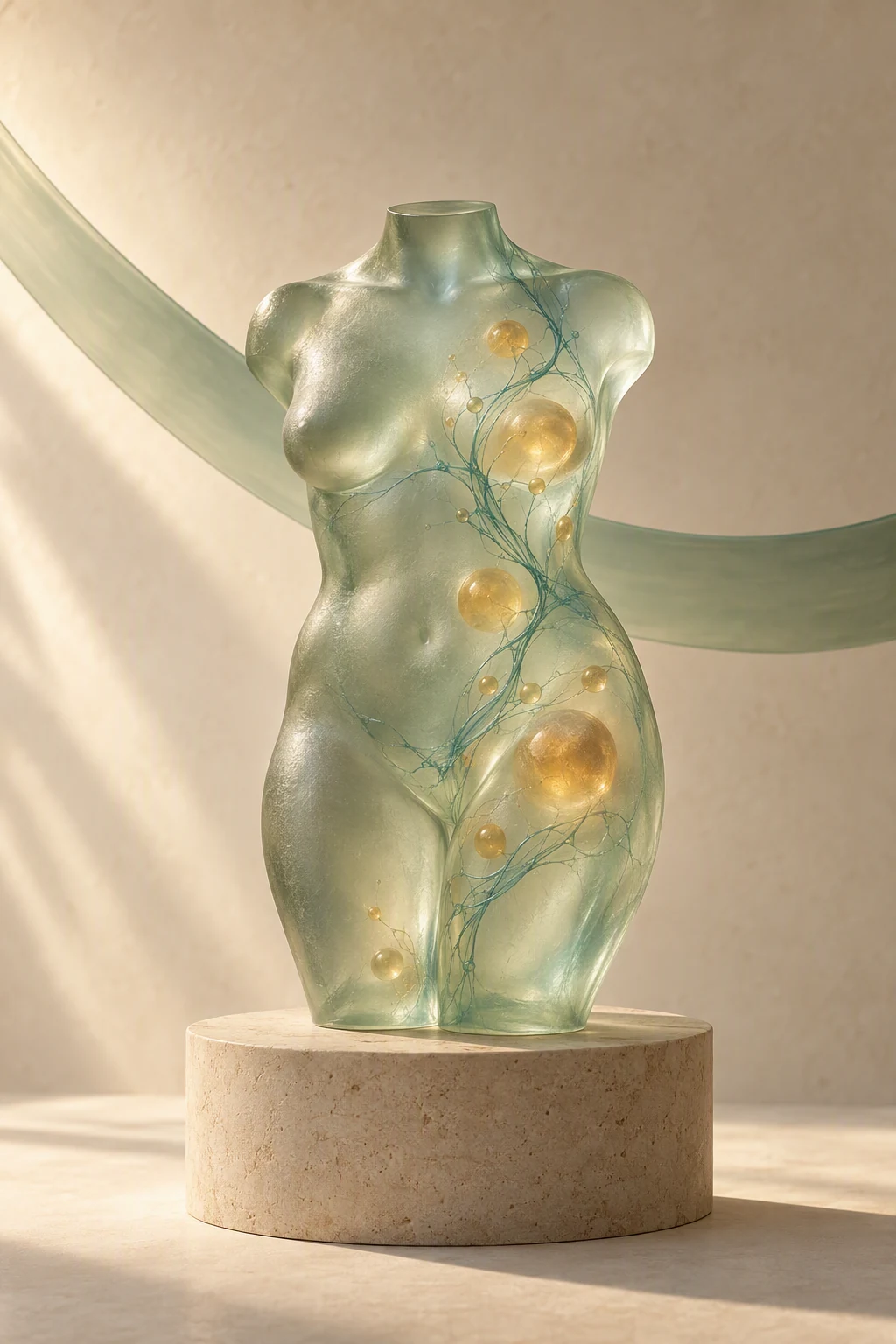
An abstract torso sculpture in sage glass, with amber shapes and fine teal threads.
Cholesterol & lipid balance

Artistic metaphor of metabolism, not a personal result.

Two adults walk together on a park path in autumn light.Your personal reference, over time.

Your year with TwinMe

Understand.
Put it in context. Return.

Establish your personal starting point.

Follow your kit instructions. Explore your first available biological results and the questions they raise for your own goals.

Give your results everyday context.

Return to your portrait during your 12 months of access. Add the meals, activity or measurements you choose to share and explore questions with Twinee.

Compare when you have a new sample.

With a 4-kit or 12-kit rhythm, each usable sample adds a biological comparison point. Consider dates, sources and collection conditions before interpreting changes.

Daily inputs do not create new biological readings. With one kit, you have one biological starting point. An observed change does not prove that a habit caused it.

Compare 1, 4 or 12 kits Discover the TwinMe platform

Before you begin

A few clear
answers.

All questions
Is this an annual program or a short weight-loss challenge?

It is an annual program with 12 months of TwinMe access. Choose 1, 4 or 12 kits. The number of biological updates follows your chosen collection rhythm; access to the platform does not mean a new biological reading every month.

Does the program measure LDL or HDL cholesterol?

No. Lipid balance is a non-medical Bio-Signature based on biological patterns. It does not provide LDL or HDL concentrations, replace a clinical lipid panel or guarantee lower cholesterol. Discuss cholesterol results and treatment with your healthcare professional.

Does the sample measure body fat, muscle or bone density?

No, the sample reads molecules. Your connected scale estimates, by impedance, your weight, BMI, body fat, muscle mass, body water, visceral fat index and bone mass. Each Bio-Signature reads them alongside its molecules, from one weigh-in and one kit to the next. The scale is not automatically included, and bone density requires an appropriate examination.

Will I receive a prescribed diet or an automatic meal plan?

The program provides biological readings to help you explore food-related questions. Your meals and preferences add context. An automatically calculated personal meal plan is not guaranteed here; therapeutic diets and individual nutrient prescriptions require a qualified professional.

Are body photos required? Will they analyze my silhouette?

Body photos are optional personal context. You do not need them to receive your biological results. Standardized before-and-after comparison, body-area analysis and video analysis are future directions, not included services. A photo does not measure visceral fat or establish a clinical diagnosis.

Can I use it if I take a prescribed GLP-1 medicine?

Keep treatment decisions and medical monitoring with your prescriber. You may choose to record relevant wellness context, but the current program does not assess GLP-1 suitability, select a medicine, change doses or predict treatment response. A dedicated support module remains a future direction.

How do I compare my progress fairly?

Compare results with their source, date and status, using similar measurement or collection conditions. A new sample adds a biological point; a device measurement or photo adds a different type of information. Missing or insufficient data should not be interpreted as progress or decline.

Do I need another TwinMe program first?

No. You can choose Weight and Cholesterol Management directly. Your cart confirms your kit rhythm, 12 months of platform access, current price and delivery options before payment.

Your weight. Your cholesterol.
Start with your own biology.

Choose 1, 4 or 12 kits

Scientific sources

These peer-reviewed studies describe the biomarkers listed here and their relationship with biology, body measurements and daily habits. They provide scientific context for the biomarkers; they do not establish the performance of a TwinMe Bio-Signature.